As a content writer, you’ve likely encountered the phenomenon where your blog post gets indexed by Google the same day you publish it and ranks high on the search engine within a week. But what if your domain score is low, and you have a limited number of backlinks? Will your content still get indexed and rank high? To find out, we conducted an experiment that involved 636 websites with a domain score of 30 or less and no more than 40 backlinks. We asked each website to write a piece of content between 1,800 and 2,000 words in length and publish it on their site within 30 days.
The experiment aimed to see if a specific tactic could help these websites rank higher on Google. We split the sites into 9 groups, with each group leveraging only one tactic. For example, one group used an XML sitemap, while another group used internal linking. We monitored the keywords each site ranked for within the first 30 days and 60 days after publication. Our database contains information on 1,459,103,429 keywords from around the world, and we focused on English-speaking sites for this experiment.
The Importance of XML Sitemaps
Our data shows that having an XML sitemap is crucial for websites with a low domain score. When your site has few links and a low domain score, Google may not crawl your site as often as you want. By leveraging a sitemap, you can speed up the indexing process, which helps decrease the time it takes for your content to appear on Google. In fact, our experiment showed that sites with a sitemap were more likely to rank in the top 100, top 50, and top 10 spots within the first 30 days and 60 days after publication.
Why XML Sitemaps Matter
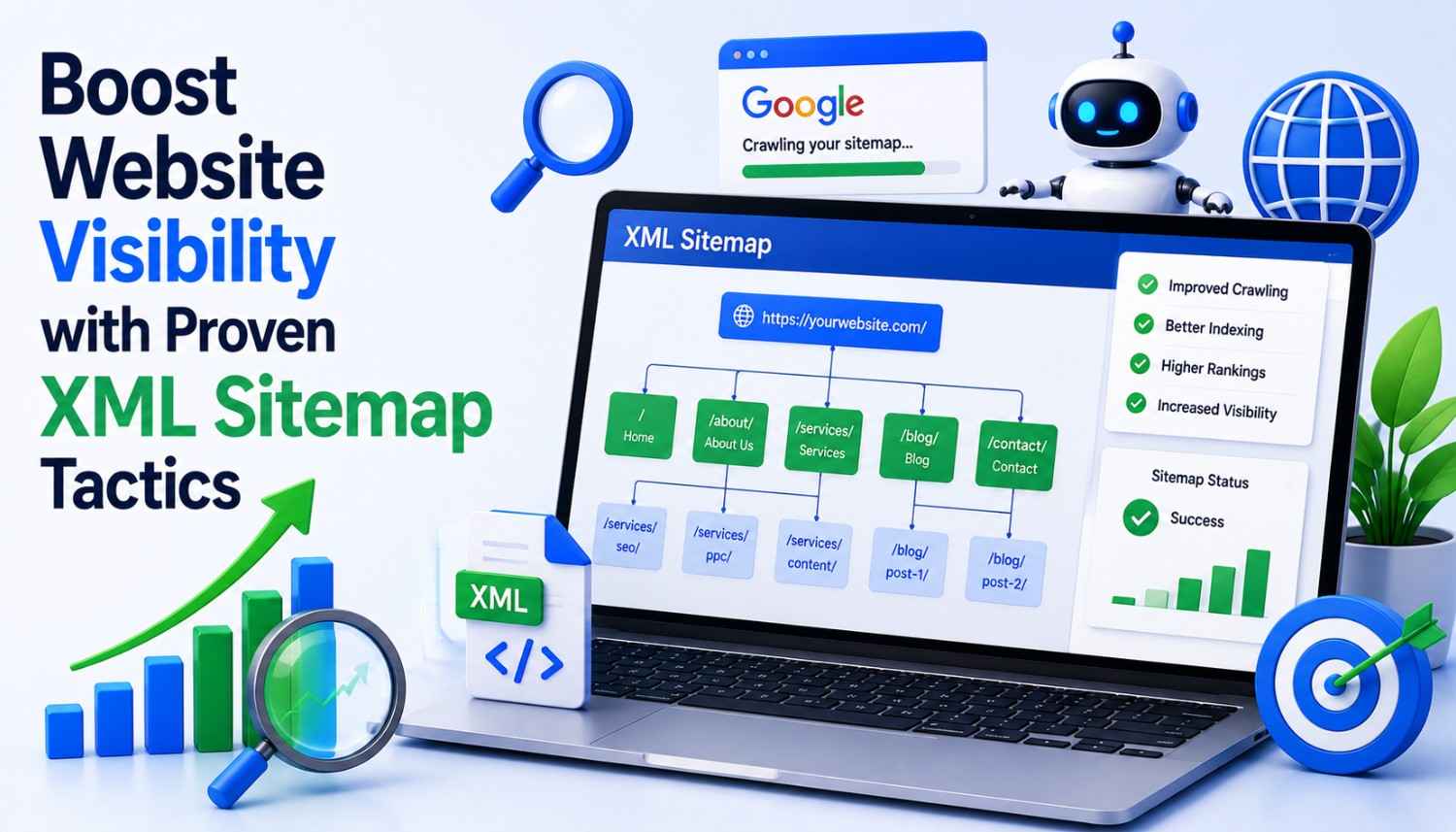
- An XML sitemap helps Google understand the structure of your website and identify the most important pages.
- A well-structured sitemap can improve your website’s crawl efficiency, leading to faster indexing and better search engine rankings.
- Google recommends using an XML sitemap to help the search engine discover new and updated content on your website.
How to Create an Effective XML Sitemap
To create an effective XML sitemap, you’ll need to follow these steps:
- Determine the structure of your website and identify the most important pages.
- Create a sitemap file in XML format and include all the pages you want to include.
- Submit your sitemap to Google Search Console and other search engines.
- Regularly update your sitemap to reflect changes to your website’s structure and content.
Internal Linking
Internal linking is another tactic that can help websites with a low domain score rank higher on Google. By linking to relevant and authoritative pages on your website, you can help search engines understand the structure of your site and identify the most important pages. Our experiment showed that sites with internal linking were more likely to rank in the top 100, top 50, and top 10 spots within the first 30 days and 60 days after publication.
Why Internal Linking Matters
- Internal linking helps search engines understand the structure of your website and identify the most important pages.
- Linking to relevant and authoritative pages on your website can improve user experience and increase engagement.
- Internal linking can also help you rank for long-tail keywords and improve your website’s relevance for specific search queries.
How to Implement Effective Internal Linking
To implement effective internal linking, you’ll need to follow these steps:
- Conduct a thorough analysis of your website’s structure and identify the most important pages.
- Create high-quality, relevant content that links to other important pages on your website.
- Use descriptive anchor text when linking to other pages on your website.
- Link to relevant and authoritative pages on your website to improve user experience and increase engagement.
Conclusion
Our experiment showed that having an XML sitemap and implementing effective internal linking can help websites with a low domain score rank higher on Google. By following these tactics, you can improve your website’s crawl efficiency, increase your search engine rankings, and drive more traffic to your site. Remember to regularly update your sitemap and link to relevant and authoritative pages on your website to improve user experience and increase engagement.
By implementing these tactics, you can take your website to the next level and achieve better search engine rankings. Don’t let your low domain score hold you back – start implementing these strategies today and watch your website soar to new heights!
Key Takeaways
- Having an XML sitemap is crucial for websites with a low domain score to improve crawl efficiency and increase search engine rankings.
- Internal linking can help search engines understand the structure of your website and identify the most important pages.
- Regularly update your sitemap to reflect changes to your website’s structure and content.
- Use descriptive anchor text when linking to other pages on your website to improve user experience and increase engagement.
- Link to relevant and authoritative pages on your website to improve user experience and increase engagement.
Frequently Asked Questions (FAQs)
What is an XML sitemap?
An XML sitemap is a file that lists all the pages on your website and helps search engines understand the structure of your site.
How do I create an effective XML sitemap?
To create an effective XML sitemap, you’ll need to determine the structure of your website and identify the most important pages. Then, create a sitemap file in XML format and include all the pages you want to include.
What is internal linking?
Internal linking is the practice of linking to relevant and authoritative pages on your website to improve user experience and increase engagement.
How do I implement effective internal linking?
To implement effective internal linking, you’ll need to conduct a thorough analysis of your website’s structure and identify the most important pages. Then, create high-quality, relevant content that links to other important pages on your website.