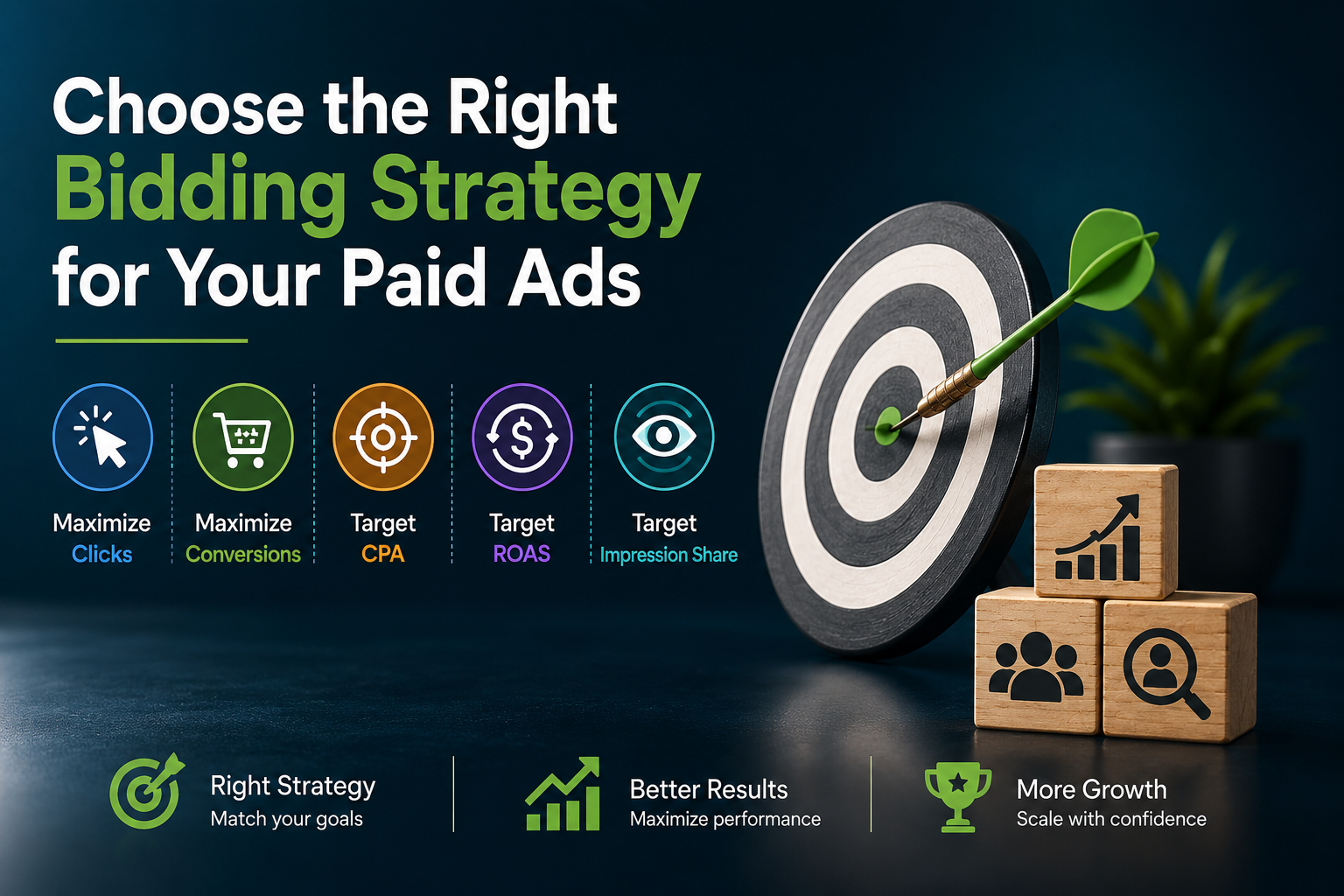
When it comes to paid advertising, selecting the right bidding strategy can make all the difference between maximizing your budget and watching it go to waste. With two popular options – Cost Per Click (CPC) and Cost Per Action (CPA) – understanding the differences between these models is crucial for anyone looking to make the most of their ad spend. In this article, we’ll break down how CPC and CPA work, explain when to use each, and provide guidance on how to choose the right approach for your campaign goals.
Choosing between CPC and CPA boils down to your campaign objectives, risk tolerance, and budget flexibility. While both models have their advantages and disadvantages, understanding the differences between them will help you make an informed decision and ensure your budget aligns with your goals.
Diving into Cost Per Click (CPC)
CPC is a simple model where advertisers pay for each click on their ad. Think of it as paying for traffic to your site; each time someone clicks, you’re charged a fee. This strategy is widely used in campaigns aimed at boosting website visits and brand visibility. If your primary goal is to reach more people and drive a high volume of clicks, CPC can be a smart choice.
- For example, if you’re running a campaign targeting specific keywords relevant to your brand, your ad will show up when someone searches for those keywords. If they click on your ad, you’ll pay for that click.
- The benefit of CPC is that you’re not paying for impressions (how many times your ad is seen) but only for the clicks that bring users to your site.
- CPC campaigns work well for increasing brand awareness and traffic because they give you control over how much you’re willing to pay per click and, ultimately, how much traffic you’re driving.
The Pros of CPC
- CPC is an excellent choice for campaigns focused on increasing brand awareness and driving traffic to your website.
- You have control over how much you’re willing to pay per click and can adjust your budget accordingly.
- CPC campaigns are ideal for high-volume campaigns where traffic and visibility are key.
The Cons of CPC
- One of the main drawbacks of CPC is that you’re paying for clicks, not conversions. This means that you may be spending money on clicks that don’t lead to sales or other desired outcomes.
- CPC campaigns can be costly, especially if you’re bidding on high-traffic keywords.
Diving into Cost Per Action (CPA)
CPA is a results-focused model where you only pay when a user completes a specific action, such as making a purchase or signing up. Instead of paying for every click, you’re paying for conversions – measurable actions that directly impact your bottom line.
- For example, if you’re running a campaign where the goal is to increase sign-ups for a new service, you’ll only be charged when someone signs up, not just when they click on your ad.
- The benefit of CPA is that it aligns acquisition costs directly with campaign performance. You’re paying for actual results, which can be a game-changer for businesses with clear conversion goals.
The Pros of CPA
- CPA is an excellent choice for campaigns focused on driving specific actions and ROI.
- You’re only paying for conversions, which means you’re getting a higher return on investment (ROI) compared to CPC.
- CPA campaigns are ideal for businesses with clear conversion goals and a high ROI.
The Cons of CPA
- One of the main drawbacks of CPA is that it can be more challenging to set up and optimize compared to CPC.
- CPA campaigns require more targeting and optimization to see strong results.
Choosing the Right Model for Your Campaign
Choosing between CPC and CPA depends on the type of campaign you’re running and what you want to achieve. Here are some tips to help you decide which model might be the best fit:
- If your primary goal is to increase brand awareness and drive traffic to your website, CPC might be the better choice.
- If your primary goal is to drive specific actions and ROI, CPA might be the better choice.
Optimizing Your Approach
To get the most out of your CPC and CPA campaigns, follow these best practices to fine-tune each model:
- Optimize your ad targeting and ad copy to improve click-through rates and conversion rates.
- Use bid strategies to control your ad spend and maximize ROI.
- Regularly monitor and adjust your campaigns to ensure they’re meeting their goals.
Conclusion
Choosing the right bidding strategy for your paid advertising campaigns can make all the difference between maximizing your budget and watching it go to waste. By understanding the differences between CPC and CPA, you can make an informed decision and ensure your budget aligns with your goals.
Remember, CPC is ideal for campaigns focused on increasing brand awareness and driving traffic, while CPA is ideal for campaigns focused on driving specific actions and ROI. By optimizing your approach and following best practices, you can get the most out of your campaigns and achieve your desired outcomes.
Key Takeaways
- CPC is a simple model where advertisers pay for each click on their ad.
- CPA is a results-focused model where you only pay when a user completes a specific action.
- Choosing between CPC and CPA depends on the type of campaign you’re running and what you want to achieve.
- Optimizing your approach and following best practices can help you get the most out of your campaigns.
Frequently Asked Questions (FAQs)
What is the difference between CPC and CPA?
CPC is a simple model where advertisers pay for each click on their ad, while CPA is a results-focused model where you only pay when a user completes a specific action.
Which bidding strategy is right for my campaign?
Choosing between CPC and CPA depends on the type of campaign you’re running and what you want to achieve. If your primary goal is to increase brand awareness and drive traffic, CPC might be the better choice. If your primary goal is to drive specific actions and ROI, CPA might be the better choice.
How can I optimize my CPC campaign?
To optimize your CPC campaign, focus on improving your ad targeting and ad copy, using bid strategies to control your ad spend, and regularly monitoring and adjusting your campaigns to ensure they’re meeting their goals.
How can I optimize my CPA campaign?
To optimize your CPA campaign, focus on improving your ad targeting and ad copy, using bid strategies to control your ad spend, and regularly monitoring and adjusting your campaigns to ensure they’re meeting their goals.