In today’s digital landscape, consumers are seeking more than just generic advertising. They crave personalized experiences that speak directly to their interests, preferences, and behaviors. This is especially true for paid media campaigns, where the wrong message can fall flat with the audience. At Marastu, our expert team has seen firsthand the power of personalized advertising in driving engagement, improving click-through rates, and reducing costs. In this article, we’ll break down the different types of ad personalization and provide practical tips on how to incorporate them into your paid search campaigns.
Whether you’re a seasoned marketer or just starting out, understanding the importance of personalization is key to staying ahead of the competition. With the rise of data-driven advertising, it’s easier than ever to create targeted copy and tailor your message to specific demographics, behaviors, and contexts. By doing so, you can create ads that feel relevant, timely, and impactful to your audience. But how do you get started? In this article, we’ll explore the various types of ad personalization and provide actionable tips on how to integrate them into your campaigns.
Understanding Ad Personalization
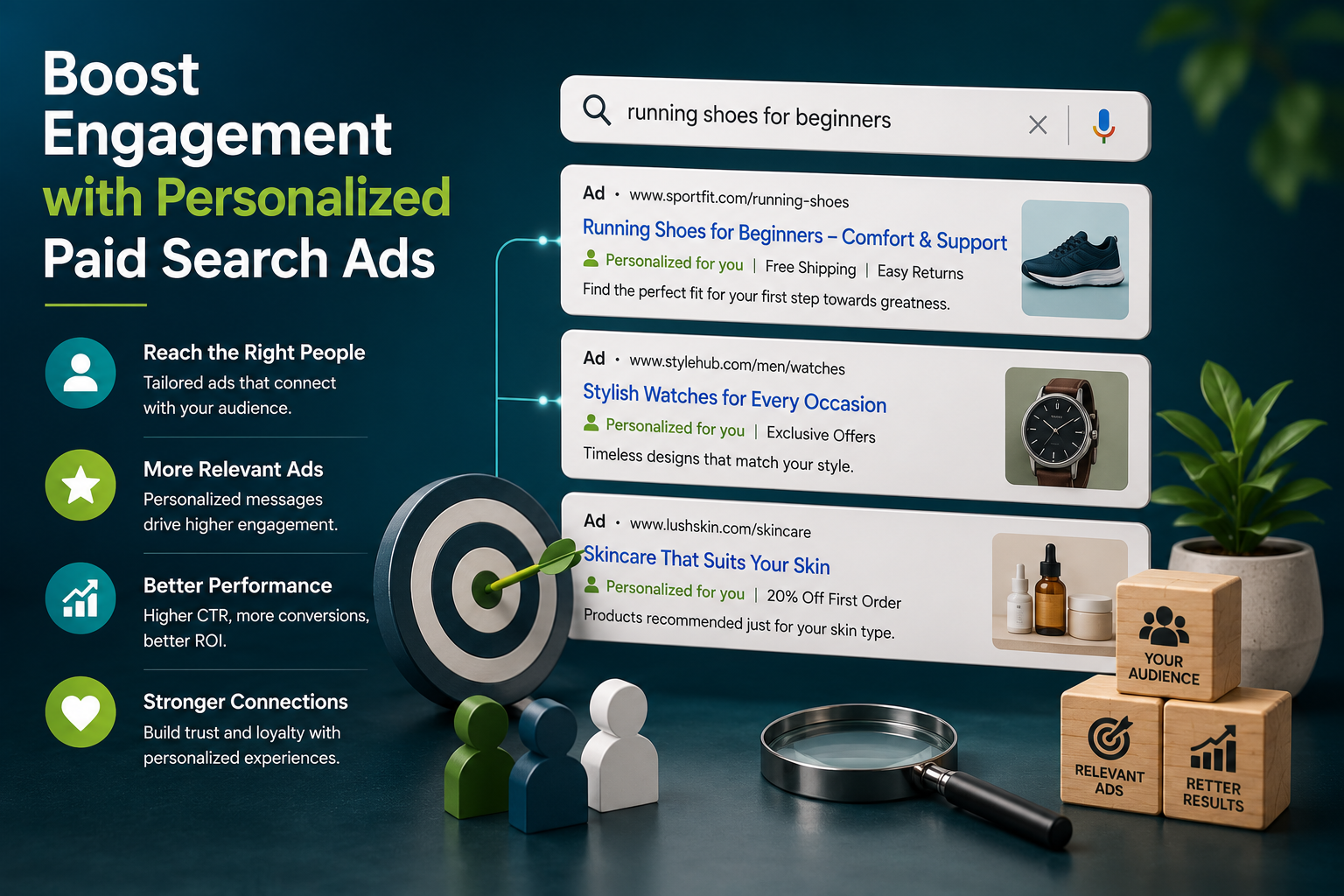
Ad personalization is the process of tailoring your advertising message to specific demographics, behaviors, and contexts. By using data and analytics, you can create ads that speak directly to your audience’s interests, preferences, and needs. This approach is especially effective in paid media campaigns, where the right message can drive engagement, improve click-through rates, and reduce costs.
Types of Ad Personalization
- Demographic personalization uses factors like age, gender, income, or education to target ads. This type of personalization is especially effective when you know specific details about your audience, such as their interests, hobbies, or behaviors.
- Behavioral personalization taps into your audience’s online actions, like browsing habits, purchase history, or social media activity. It helps you target ads to users who’ve already shown interest in specific products or services.
- Context-based personalization adapts to a user’s current situation, like their location, time of day, or weather conditions. These ads are all about capturing your audience in the moment.
- Predictive personalization uses AI to analyze past behaviors and predict what your audience will want next. This approach allows you to get ahead of their needs and offer solutions before they even realize they need them.
Implementing Ad Personalization
Implementing ad personalization requires a combination of data, analytics, and creativity. Here are some practical tips to get you started:
- Use data and analytics to identify your audience’s demographics, behaviors, and contexts. This will help you create targeted copy and tailor your message to specific groups.
- Experiment with different ad formats and creative assets to see what resonates with your audience.
- Use tools like Google Ads and Facebook Ads Manager to create dynamic updates and tailor your message to specific demographics, behaviors, and contexts.
Demographic Personalization
Demographic personalization uses factors like age, gender, income, or education to target ads. This type of personalization is especially effective when you know specific details about your audience. Here are some examples of demographic personalization in action:
- LinkedIn might run an ad in the New York Times book section, knowing that professionals frequently visit that space.
- A cosmetics company might target ads to women aged 25-45 who have shown interest in beauty products.
Behavioral Personalization
Behavioral personalization taps into your audience’s online actions, like browsing habits, purchase history, or social media activity. It helps you target ads to users who’ve already shown interest in specific products or services. Here are some examples of behavioral personalization in action:
- A user who’s researched basketballs and visited the site might see a personalized ad on Instagram five minutes later.
- A customer who frequently buys skincare products might start seeing ads for sunscreen as summer approaches.
Context-Based Personalization
Context-based personalization adapts to a user’s current situation, like their location, time of day, or weather conditions. These ads are all about capturing your audience in the moment. Here are some examples of context-based personalization in action:
- A coffee shop might run an ad offering a discount to users who are near their location and have shown interest in coffee.
- A retailer might target ads to users who are shopping for winter clothing as the weather cools down.
Predictive Personalization
Predictive personalization uses AI to analyze past behaviors and predict what your audience will want next. This approach allows you to get ahead of their needs and offer solutions before they even realize they need them. Here are some examples of predictive personalization in action:
- A customer who frequently buys skincare products might see ads for sunscreen as summer approaches.
- A user who’s shown interest in fitness might see ads for fitness classes or equipment as the weather warms up.
Conclusion
Personalization is key to creating effective paid media campaigns. By tailoring your message to specific demographics, behaviors, and contexts, you can drive engagement, improve click-through rates, and reduce costs. Remember to experiment with different ad formats and creative assets to see what resonates with your audience. With the right approach, you can create ads that truly connect with your audience and drive real results.
At Marastu, our expert team is dedicated to helping you create personalized advertising campaigns that drive real results. Contact us today to learn more about our services and how we can help you achieve your marketing goals.
Key Takeaways
- Demographic personalization uses factors like age, gender, income, or education to target ads.
- Behavioral personalization taps into your audience’s online actions, like browsing habits, purchase history, or social media activity.
- Context-based personalization adapts to a user’s current situation, like their location, time of day, or weather conditions.
- Predictive personalization uses AI to analyze past behaviors and predict what your audience will want next.
Frequently Asked Questions (FAQs)
What is ad personalization?
Ad personalization is the process of tailoring your advertising message to specific demographics, behaviors, and contexts.
How does ad personalization work?
Ad personalization uses data and analytics to identify your audience’s demographics, behaviors, and contexts, and then tailors your message to specific groups.
What are the benefits of ad personalization?
Ad personalization can drive engagement, improve click-through rates, and reduce costs by tailoring your message to specific demographics, behaviors, and contexts.
How can I implement ad personalization?
You can implement ad personalization by using data and analytics to identify your audience’s demographics, behaviors, and contexts, and then tailoring your message to specific groups.
At Marastu, our expert team is dedicated to helping you create personalized advertising campaigns that drive real results. Contact us today to learn more about our services and how we can help you achieve your marketing goals.