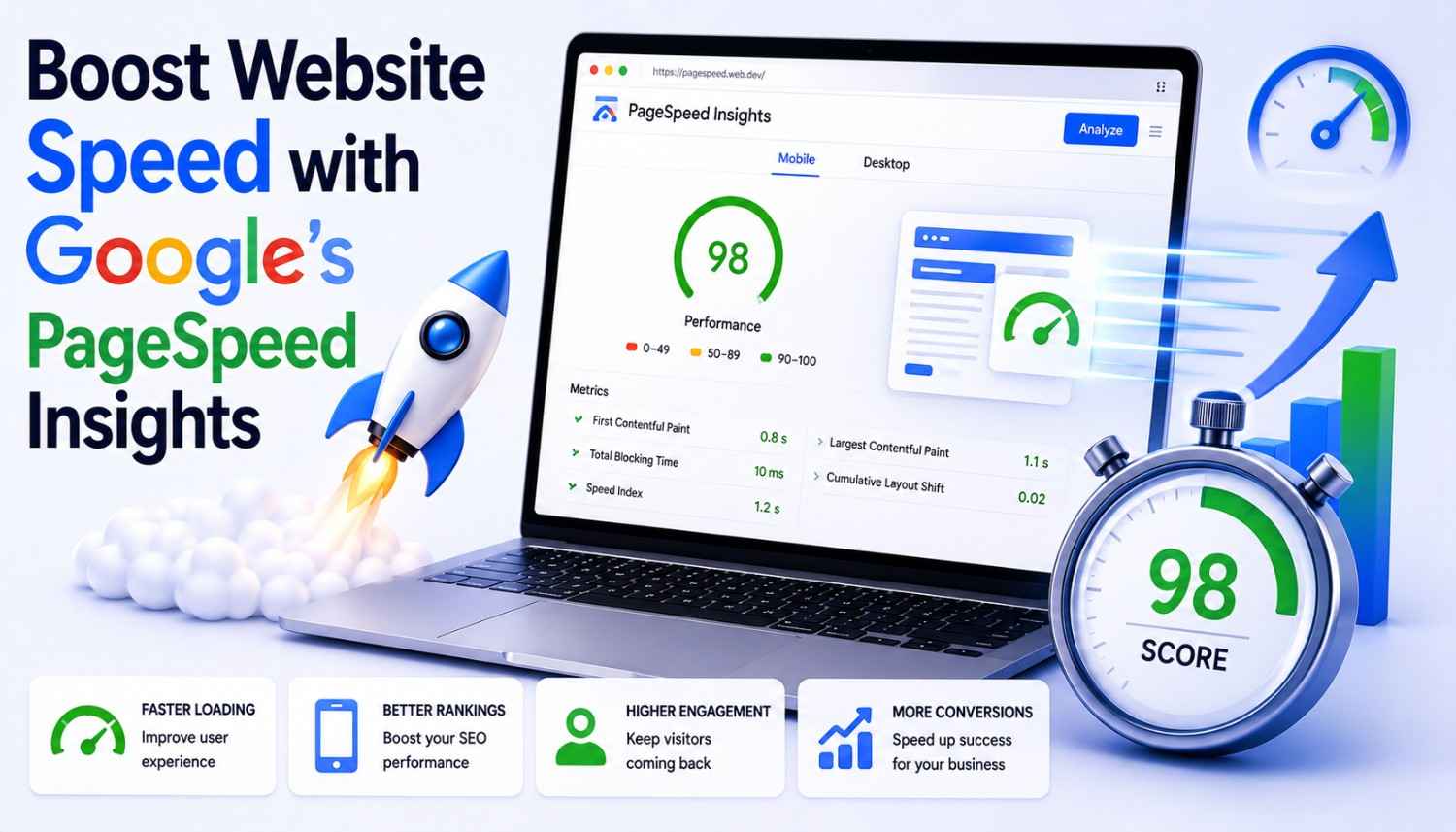
When it comes to building a conversion rate and search engine optimized website, speed is crucial. A slow website can lead to a high bounce rate, which can negatively impact your search engine rankings. However, speeding up your website is no easy task. You may be dealing with code that’s been poorly written, images that are too large, or page elements that are not optimized for performance. Thankfully, Google offers the PageSpeed Insights tool to help you identify areas for improvement and optimize your website for faster page loads.
The faster your site loads, the lower the bounce rate. This is because users are more likely to engage with a website that loads quickly, rather than one that takes a long time to load. In fact, a study by Portent found that page speed can increase conversion rates drastically, with sites that load under two seconds seeing a significant increase in traffic and revenue.
The Importance of Page Speed
Page speed is a critical factor in ranking your website higher on Google’s search engine results. If your website takes too long to load, users will likely leave your site and visit a competitor’s site that loads faster. In fact, a study by Backlinko found that the average load time of a site on the first page is 1.65 seconds, which is decently fast. However, Google says page speed does matter, and having a fast website can improve your search engine rankings.
The Most Common Causes of Slow Pages
The most common causes of slow pages are bulky images and poorly-designed coding. Images can take up a lot of space on your website, and if they’re not optimized, they can slow down your site’s page load times. Poorly-designed coding can also slow down your site’s performance, as it can make it harder for your website to load quickly. In fact, a study by Google found that the best practice for page size or weight is under 500KB, but most websites are exceeding this recommended weight.
- Large images can slow down your site’s page load times, especially if they’re not optimized. This is because images can take up a lot of space on your website, and if they’re not compressed, they can slow down your site’s performance.
- Poorly-designed coding can also slow down your site’s performance, as it can make it harder for your website to load quickly. This is why it’s essential to have a well-designed website with clean and efficient code.
- CSS and JavaScript files can also slow down your site’s performance, especially if they’re not optimized. This is because these files can take up a lot of space on your website, and if they’re not compressed, they can slow down your site’s performance.
How to Optimize Your Website for Faster Page Loads
To optimize your website for faster page loads, you need to identify the areas that are slowing down your site’s performance. This can be done using tools like Google PageSpeed Insights, which can help you identify areas for improvement and provide recommendations for optimizing your website.
- Use Google PageSpeed Insights to identify areas for improvement and get recommendations for optimizing your website.
- Optimize your images by compressing them and using a content delivery network (CDN) to reduce the time it takes for images to load.
- Use a caching plugin to reduce the number of HTTP requests your website makes, which can slow down your site’s performance.
The Benefits of Optimizing Your Website for Faster Page Loads
The benefits of optimizing your website for faster page loads are numerous. For one, it can improve your search engine rankings, which can drive more traffic to your website. Additionally, faster page loads can improve user experience, which can lead to increased engagement and conversion rates. In fact, a study by Portent found that page speed can increase conversion rates drastically, with sites that load under two seconds seeing a significant increase in traffic and revenue.
Key Takeaways
- Page speed is a critical factor in ranking your website higher on Google’s search engine results.
- The most common causes of slow pages are bulky images and poorly-designed coding.
- Optimizing your website for faster page loads can improve your search engine rankings, user experience, and conversion rates.
Conclusion
In conclusion, optimizing your website for faster page loads is crucial for improving your search engine rankings, user experience, and conversion rates. By identifying areas for improvement and implementing strategies to optimize your website, you can improve your site’s performance and drive more traffic to your website.
Remember, faster is better, and less is more. By optimizing your website for faster page loads, you can improve your search engine rankings, user experience, and conversion rates, and drive more traffic to your website.
Frequently Asked Questions (FAQs)
What is the importance of page speed in search engine optimization (SEO)?
Page speed is a critical factor in search engine optimization (SEO) because it affects how search engines rank your website. If your website takes too long to load, search engines may rank your website lower in search results.
What are the most common causes of slow pages?
The most common causes of slow pages are bulky images and poorly-designed coding. Images can take up a lot of space on your website, and if they’re not optimized, they can slow down your site’s page load times. Poorly-designed coding can also slow down your site’s performance, as it can make it harder for your website to load quickly.
How can I optimize my website for faster page loads?
You can optimize your website for faster page loads by using tools like Google PageSpeed Insights, optimizing your images, and using a caching plugin to reduce the number of HTTP requests your website makes.
What are the benefits of optimizing my website for faster page loads?
The benefits of optimizing your website for faster page loads include improved search engine rankings, user experience, and conversion rates.