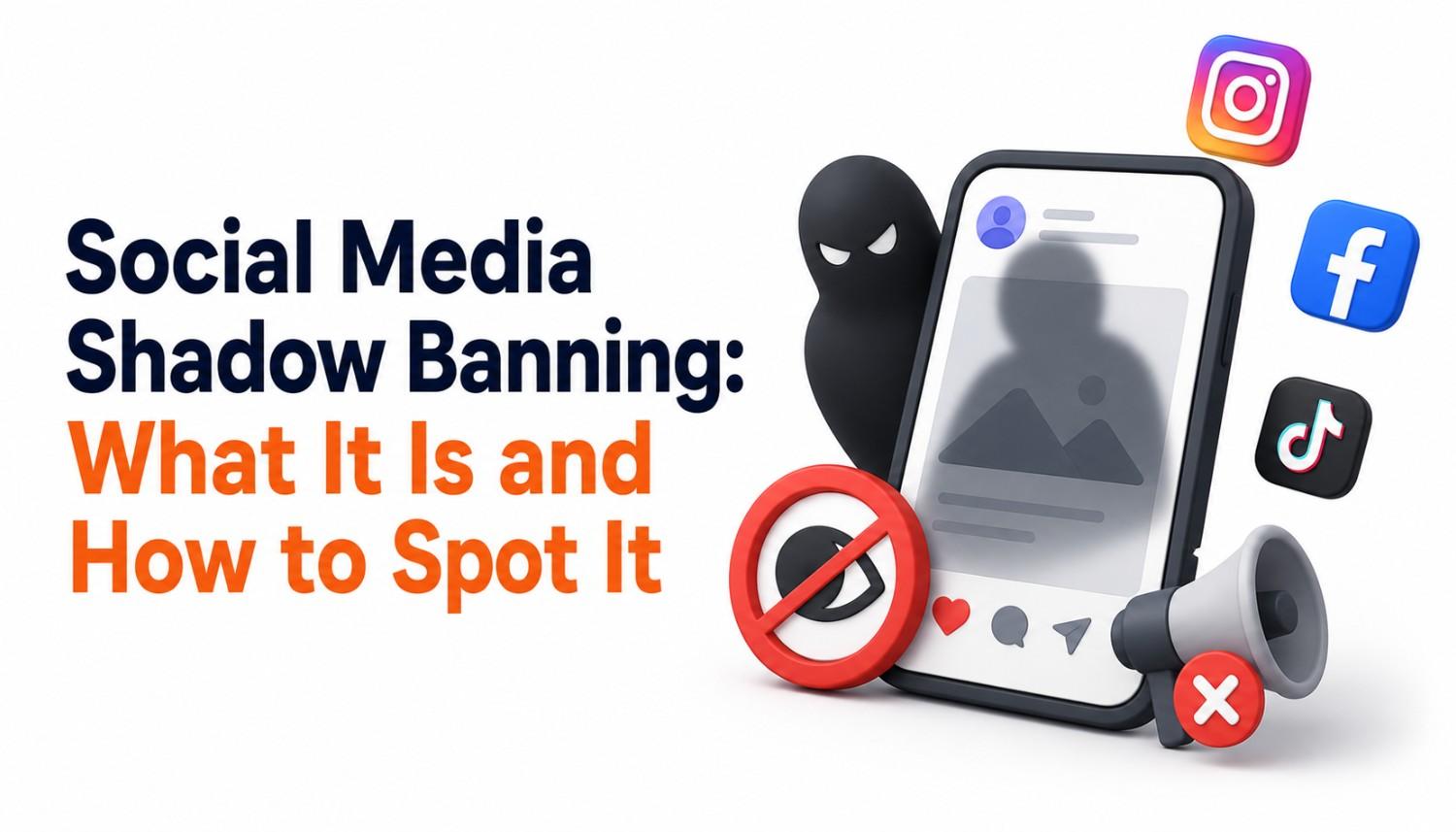
The phenomenon of social media shadow banning has been a topic of discussion and concern for many individuals and businesses who rely on platforms like Facebook, Instagram, and TikTok to reach their audience. A shadow ban can significantly impact visibility, engagement, and overall online presence. But what exactly is shadow banning, and how can you determine if you’ve been affected?
Shadow banning is a term used to describe when a social media platform restricts the visibility of an account without explicitly notifying the user. This means that your content may still be visible to you, but it’s less likely to appear in searches, hashtags, or feeds of other users. As a result, your account may experience a significant drop in engagement, making it challenging to maintain a strong online presence.
The reasons behind shadow banning vary, but some common culprits include spammy or abusive behavior, using banned or overused hashtags, and spreading misinformation. Social media platforms take these actions to maintain a safe and trustworthy environment for their users. However, the lack of transparency surrounding shadow banning can be frustrating for those affected.
What are the Signs of Shadow Banning?
Recognizing the signs of shadow banning can be challenging, as you may not receive a direct notification from the platform. However, some indicators that your account may be shadow banned include a sudden drop in engagement, reduced visibility in searches or hashtags, and a decrease in followers. If you’re experiencing any of these issues, it’s essential to investigate the cause and take corrective action.
Symptoms of Shadow Banning
- If you notice a significant drop in likes, comments, or shares on your posts, it could be a sign that your account is shadow banned.
- A decrease in followers or a lack of new followers may indicate that your account is being restricted.
- Reduced visibility in searches or hashtags can make it challenging for new followers to find your content.
Why Do Social Media Platforms Implement Shadow Bans?
Social media platforms implement shadow bans to maintain a safe and trustworthy environment for their users. By restricting accounts that engage in spammy or abusive behavior, platforms can prevent the spread of misinformation and ensure that users have a positive experience. However, the lack of transparency surrounding shadow banning can lead to confusion and frustration for those affected.
Common Reasons for Shadow Bans
- Spammy or abusive behavior, such as using bots to like and comment on posts, is a common reason for shadow banning.
- Using banned or overused hashtags can lead to a shadow ban, as platforms aim to prevent the spread of spam.
- Spreading misinformation or engaging in hate speech can result in a shadow ban, as platforms prioritize user safety and well-being.
How to Check if You’ve Been Shadow Banned
Checking if you’ve been shadow banned requires a combination of observation and investigation. Start by reviewing your account’s metrics, such as engagement and visibility, to determine if there’s been a significant drop. You can also use tools like social media analytics software to gain insights into your account’s performance.
Tools for Checking Shadow Bans
- Social media analytics software, such as Hootsuite or Sprout Social, can provide insights into your account’s performance and help you identify potential issues.
- Third-party tools, such as Shadowban Checker or Social Blade, can help you determine if you’ve been shadow banned.
How to Avoid Shadow Banning
Avoiding shadow banning requires a combination of best practices and ongoing vigilance. Start by ensuring that your account complies with the platform’s terms of service and community guidelines. Regularly review your content and adjust your strategy to avoid engaging in spammy or abusive behavior.
Best Practices for Avoiding Shadow Bans
- Regularly review your content to ensure it complies with the platform’s terms of service and community guidelines.
- Use high-quality, engaging content that resonates with your audience.
- Avoid using bots or other automated tools to like and comment on posts.
Conclusion
Shadow banning is a complex issue that can impact social media presence and engagement. By understanding the signs of shadow banning, checking if you’ve been affected, and avoiding common pitfalls, you can maintain a strong online presence and reach your target audience.
Remember, social media platforms are constantly evolving, and it’s essential to stay informed about the latest best practices and guidelines. By doing so, you can ensure that your account remains trustworthy, engaging, and visible to your audience.
Key Takeaways
- Shadow banning is a restriction imposed by social media platforms on accounts that engage in spammy or abusive behavior.
- Common signs of shadow banning include a drop in engagement, reduced visibility, and a decrease in followers.
- Tools like social media analytics software and third-party tools can help you determine if you’ve been shadow banned.
- Avoiding shadow banning requires best practices like regular content reviews, high-quality content, and avoiding automated tools.
Frequently Asked Questions (FAQs)
What is shadow banning, and how does it affect my social media presence?
Shadow banning is a restriction imposed by social media platforms on accounts that engage in spammy or abusive behavior. It can significantly impact your social media presence, leading to a drop in engagement, reduced visibility, and a decrease in followers.
How can I check if I’ve been shadow banned?
To check if you’ve been shadow banned, review your account’s metrics, such as engagement and visibility, and use tools like social media analytics software or third-party tools to determine if you’ve been restricted.
What are some common reasons for shadow banning?
Common reasons for shadow banning include spammy or abusive behavior, using banned or overused hashtags, and spreading misinformation or hate speech.
How can I avoid shadow banning?
To avoid shadow banning, regularly review your content to ensure it complies with the platform’s terms of service and community guidelines, use high-quality, engaging content, and avoid using bots or other automated tools.