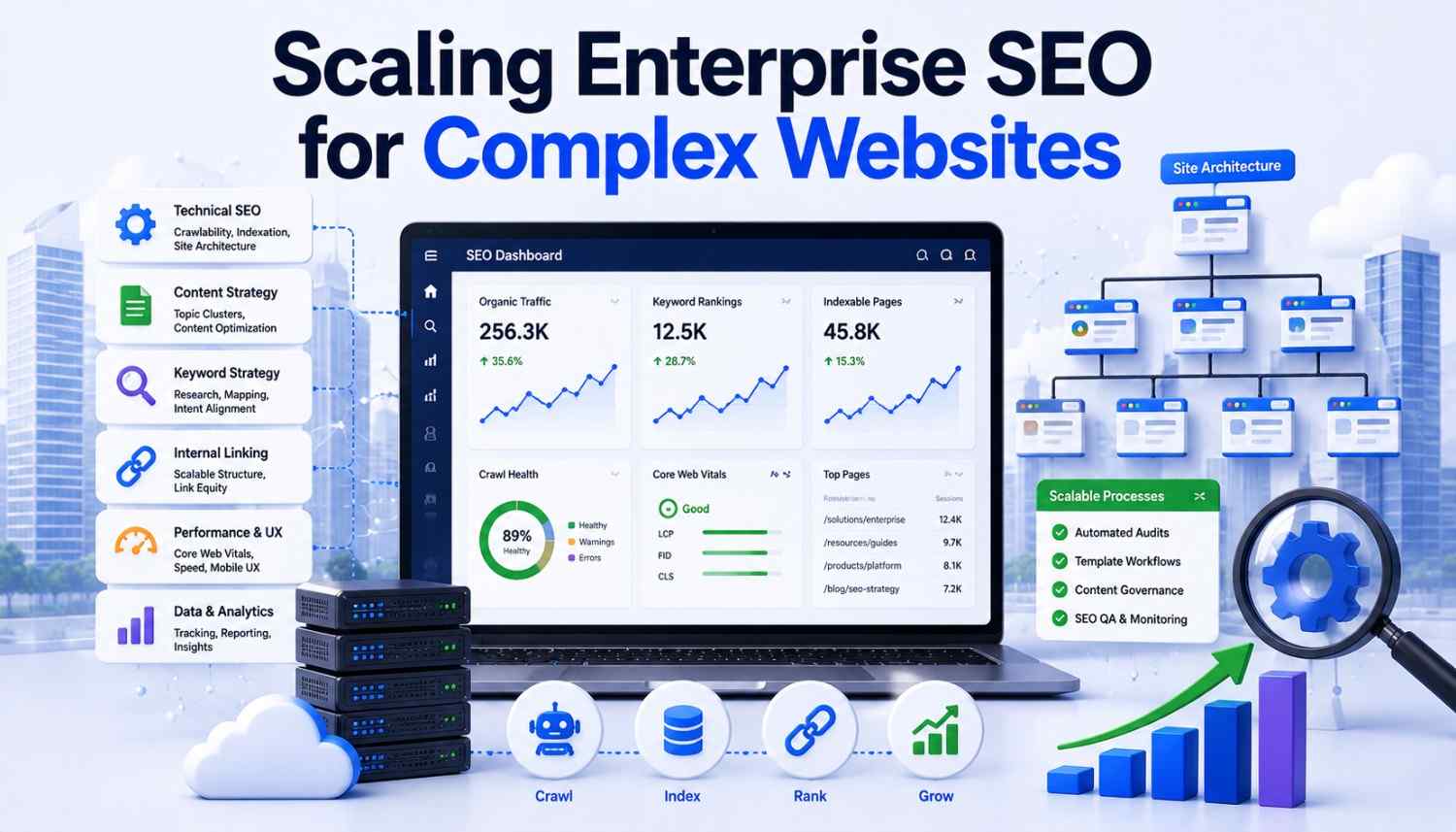
As a senior SEO content writer for Marastu, a digital marketing agency, I’ve witnessed firsthand the challenges of implementing an effective SEO strategy for large, complex websites. With tens of thousands of pages spread across product categories, regional microsites, and years of blog content, it’s easy to get overwhelmed by the sheer scale of the task at hand. However, with the right approach and tools, even the largest and most complex websites can achieve remarkable success with search engine optimization.
The first step in developing an effective enterprise SEO strategy is to understand the unique challenges and opportunities that come with managing a large website. Unlike smaller sites, large websites require a more structured and systematic approach to SEO, with a focus on scalability, efficiency, and data-driven decision making. This means developing a clear understanding of the site’s architecture, content, and user behavior, as well as the technical requirements for crawling, indexing, and ranking.
The Fundamentals of Enterprise SEO
At its core, enterprise SEO involves applying the same fundamental principles as SEO on smaller sites, such as keyword research, content creation, site health, and backlinks. However, the execution and scale of these efforts are vastly different, requiring a more sophisticated and data-driven approach. This includes developing a comprehensive keyword research strategy, creating high-quality and relevant content, ensuring site health and technical optimization, and building a strong backlink profile.
Keyword Research and Planning
- Conduct thorough keyword research to identify relevant and high-traffic terms, using tools such as Google Keyword Planner, , and SEMrush.
- Develop a comprehensive keyword strategy, including long-tail keywords, product-specific terms, and location-based queries.
- Create detailed keyword research reports, including keyword rankings, search volume, and competition analysis.
Content Creation and Optimization
- Develop a content strategy that aligns with business goals and targets specific audience segments.
- Create high-quality and relevant content, including blog posts, product descriptions, and landing pages.
- Optimize content for search engines using techniques such as keyword insertion, meta tags, and header tags.
Technical SEO and Site Health
Technical SEO and site health are critical components of an effective enterprise SEO strategy. This includes ensuring that the site is crawlable, indexable, and accessible to search engines, as well as fixing technical issues such as broken links, duplicate content, and slow page speed.
Crawlability and Indexability
- Ensure that the site is crawlable by search engines, using techniques such as XML sitemaps and robots.txt files.
- Monitor and fix crawl errors, such as 404s and 500s, to prevent issues with search engine rankings.
- Use tools such as Google Search Console and Screaming Frog to monitor crawlability and indexability.
Site Speed and Performance
- Monitor and optimize site speed using tools such as Google PageSpeed Insights and GTmetrix.
- Fix technical issues such as slow loading times, image compression, and JavaScript files.
- Use caching and content delivery networks (CDNs) to improve site performance.
Backlinks and Link Building
Backlinks and link building are critical components of an effective enterprise SEO strategy. This includes building high-quality backlinks from authoritative sources, as well as creating linkable assets such as infographics, eBooks, and whitepapers.
Link Building and Outreach
- Identify and target high-quality link opportunities using tools such as and .
- Build relationships with influencers, bloggers, and other content creators to secure high-quality backlinks.
- Create linkable assets such as infographics, eBooks, and whitepapers to attract links naturally.
Measuring and Reporting Performance
Measuring and reporting performance is critical to the success of an enterprise SEO strategy. This includes tracking key metrics such as rankings, traffic, and conversions, as well as analyzing data to inform future optimization efforts.
Tracking and Analyzing Data
- Use tools such as Google Analytics and Search Console to track key metrics such as rankings, traffic, and conversions.
- Monitor and analyze data regularly to identify trends, opportunities, and issues.
- Use data to inform future optimization efforts and make data-driven decisions.
Conclusion
In conclusion, implementing an effective enterprise SEO strategy requires a comprehensive understanding of the unique challenges and opportunities that come with managing a large website. By developing a clear understanding of the site’s architecture, content, and user behavior, as well as the technical requirements for crawling, indexing, and ranking, businesses can achieve remarkable success with search engine optimization.
Remember, enterprise SEO is not just about optimizing individual pages or keywords; it’s about developing a comprehensive strategy that aligns with business goals and targets specific audience segments. By following the steps outlined in this article and staying up-to-date with the latest SEO trends and best practices, businesses can achieve long-term success with search engine optimization.
Key Takeaways
- Develop a clear understanding of the site’s architecture, content, and user behavior.
- Use data to inform future optimization efforts and make data-driven decisions.
- Build high-quality backlinks from authoritative sources.
- Optimize content for search engines using techniques such as keyword insertion, meta tags, and header tags.
- Monitor and optimize site speed using tools such as Google PageSpeed Insights and GTmetrix.
Frequently Asked Questions (FAQs)
What is enterprise SEO?
Enterprise SEO refers to the practice of optimizing a large website for search engines to improve its visibility, drive traffic, and increase conversions.
How do I get started with enterprise SEO?
To get started with enterprise SEO, start by conducting a comprehensive audit of your website’s architecture, content, and user behavior. Then, develop a clear understanding of your target audience and create a comprehensive keyword strategy.
What are the most important metrics to track in enterprise SEO?
The most important metrics to track in enterprise SEO include rankings, traffic, conversions, and return on investment (ROI). Use tools such as Google Analytics and Search Console to track these metrics and make data-driven decisions.
How do I optimize my website for mobile devices?
To optimize your website for mobile devices, use a responsive design, optimize images, and use tools such as Google’s Mobile-Friendly Test to identify issues.
What is the role of technical SEO in enterprise SEO?
The role of technical SEO in enterprise SEO is to ensure that the website is crawlable, indexable, and accessible to search engines. This includes optimizing site speed, fixing technical issues, and using tools such as Google Search Console and Screaming Frog to monitor crawlability and indexability.