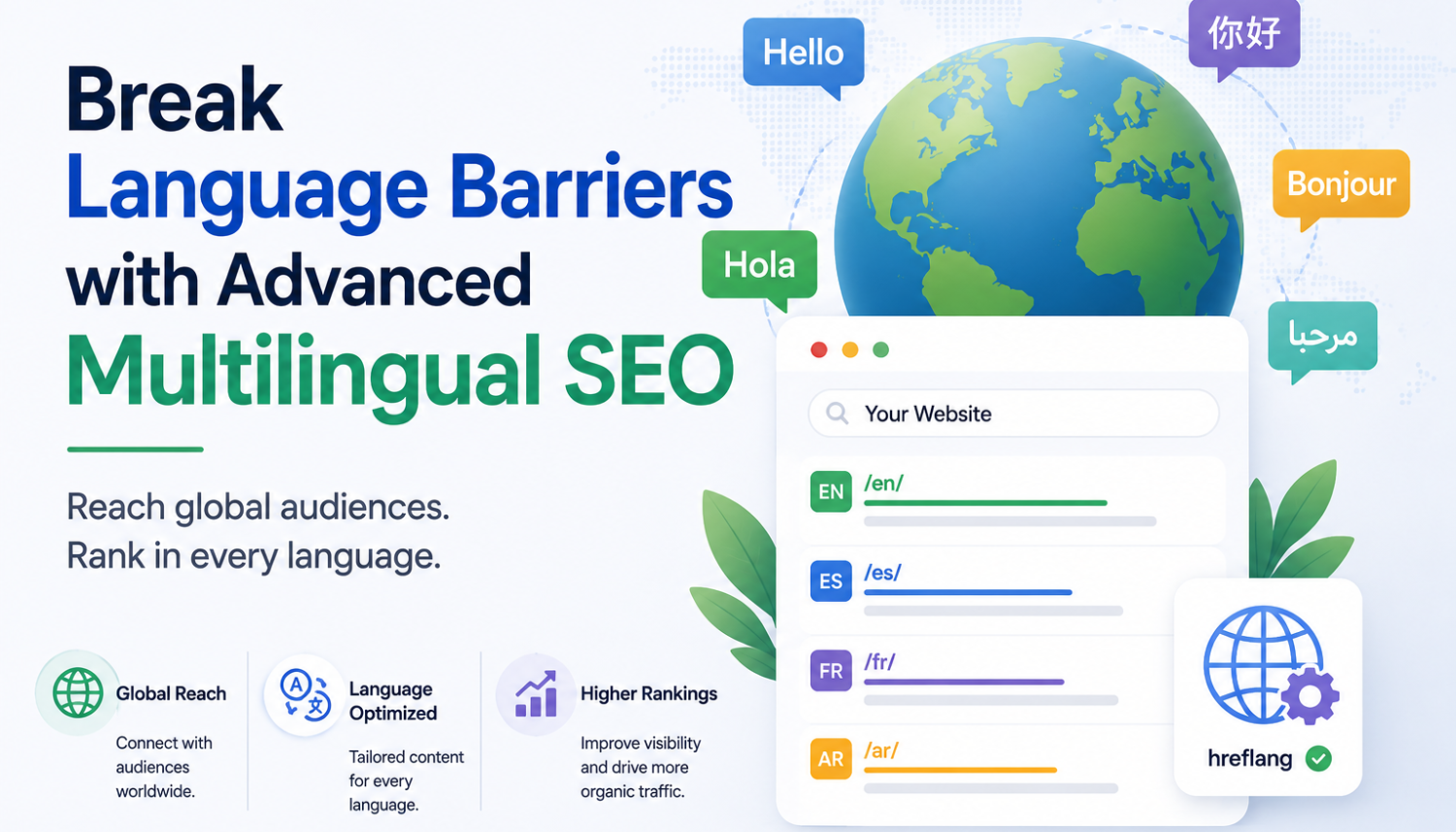
Breaking language barriers and conquering international markets is a daunting task for businesses looking to expand their reach globally. However, with the help of a powerful strategy known as multilingual SEO, companies can now access a wider audience and increase their online presence. Multilingual SEO is a technique that optimizes a website for multiple languages, allowing businesses to reach customers who speak different languages and cultures.
At its core, multilingual SEO is about adapting content to different languages, dialects, and cultural nuances. This strategy involves translating and optimizing website content, including text, images, and videos, to make it accessible to users who speak various languages. By implementing multilingual SEO, businesses can increase brand visibility, drive more traffic to their website, and ultimately, boost their sales and revenue.
The Power of Multilingual SEO
Imagine having a website that is accessible to users who speak English, Spanish, Mandarin, Arabic, and many other languages. This is the power of multilingual SEO. By optimizing your website for multiple languages, you can tap into a vast global audience and increase your online presence. According to Google, over 50% of internet users speak a language other than English, making multilingual SEO an essential strategy for businesses looking to expand their reach globally.
International SEO vs. Multilingual SEO
While international SEO and multilingual SEO are related, they are not the same thing. International SEO is about tailoring a website for specific countries or regions, taking into account local search habits, cultural nuances, and language preferences. Multilingual SEO, on the other hand, is about adapting content to different languages and cultures. Think of international SEO as a regional strategy, while multilingual SEO is a linguistic strategy.
- For example, a clothing brand like Nike might implement international SEO by launching websites specifically for the US, UK, and Australia, each targeting local search habits and cultural preferences. However, with multilingual SEO, Nike can optimize its website for different languages, such as English, Spanish, Mandarin, and Arabic, to reach a broader audience.
- Another example is Adidas, which has websites for Spain and Mexico, each targeting local search habits and cultural preferences. However, with multilingual SEO, Adidas can optimize its website for multiple languages, making it accessible to users who speak different languages and cultures.
- By implementing both international and multilingual SEO strategies, businesses can increase their online presence, drive more traffic to their website, and ultimately, boost their sales and revenue.
The Benefits of Multilingual SEO
So, what are the benefits of multilingual SEO? By optimizing your website for multiple languages, you can:
- Reach a wider audience and increase your online presence.
- Drive more traffic to your website and increase your sales and revenue.
- Improve your brand reputation and establish yourself as a global leader in your industry.
- Gain a competitive edge over your competitors who are not implementing multilingual SEO strategies.
How to Implement Multilingual SEO
So, how do you implement multilingual SEO? The process involves three key steps:
Step 1: Keyword Research
Keyword research is the cornerstone of any SEO strategy, and it’s even more critical for multilingual SEO. This is because the words and phrases people use to search for things online can vary significantly from language to language. So, how do you identify the right keywords for each language? There are a few strategies to consider:
- Use keyword research tools like Google Keyword Planner, , or SEMrush to identify relevant keywords in each language.
- Conduct local keyword research by analyzing search trends and patterns in each target language.
- Use online tools like Google Translate or Microsoft Translator to identify keywords and phrases in different languages.
Step 2: Cultural Research
Once you’ve nailed down your target keywords, it’s time to dive deeper into the cultural nuances and search habits of your audience. Start by researching the cultural context of your target markets. What are their preferences, values, and slang terms? Consider regional variations in language use as well.
For example, in Italy, the phrase “scarpe da ginnastica” (literally, gymnastics shoes) is a common way to refer to sneakers, while English speakers would typically just say “sneakers”. You can collaborate with native speakers or explore online forums and local websites to understand the common search terms in each target language.
Step 3: Localization
Localization is the process of adapting your website content to the local language and culture of your target audience. This involves translating your website content, including text, images, and videos, to make it accessible to users who speak different languages and cultures.
By implementing multilingual SEO, businesses can tap into a vast global audience and increase their online presence. The benefits of multilingual SEO are numerous, including increased brand visibility, driven traffic, and improved brand reputation. So, if you’re looking to expand your reach globally, consider implementing multilingual SEO strategies today.
Conclusion
Breaking language barriers and conquering international markets is a daunting task for businesses looking to expand their reach globally. However, with the help of a powerful strategy known as multilingual SEO, companies can now access a wider audience and increase their online presence.
By implementing multilingual SEO, businesses can reach a wider audience, drive more traffic to their website, and ultimately, boost their sales and revenue. So, if you’re looking to expand your reach globally, consider implementing multilingual SEO strategies today.
Key Takeaways
- Implementing multilingual SEO can help businesses reach a wider audience and increase their online presence.
- Keyword research is critical for multilingual SEO, as the words and phrases people use to search for things online can vary significantly from language to language.
- Cultural research is essential for understanding the nuances and search habits of your target audience.
- Localization is the process of adapting your website content to the local language and culture of your target audience.
- Implementing multilingual SEO can improve brand reputation, driven traffic, and ultimately, boost sales and revenue.
Frequently Asked Questions (FAQs)
What is multilingual SEO?
Multilingual SEO is a strategy that optimizes a website for multiple languages, allowing businesses to reach customers who speak different languages and cultures.
How does multilingual SEO differ from international SEO?
International SEO is about tailoring a website for specific countries or regions, taking into account local search habits, cultural nuances, and language preferences. Multilingual SEO, on the other hand, is about adapting content to different languages and cultures.
Why is keyword research critical for multilingual SEO?
Keyword research is critical for multilingual SEO because the words and phrases people use to search for things online can vary significantly from language to language.
What is the benefit of implementing multilingual SEO?
The benefits of implementing multilingual SEO include increased brand visibility, driven traffic, and improved brand reputation.