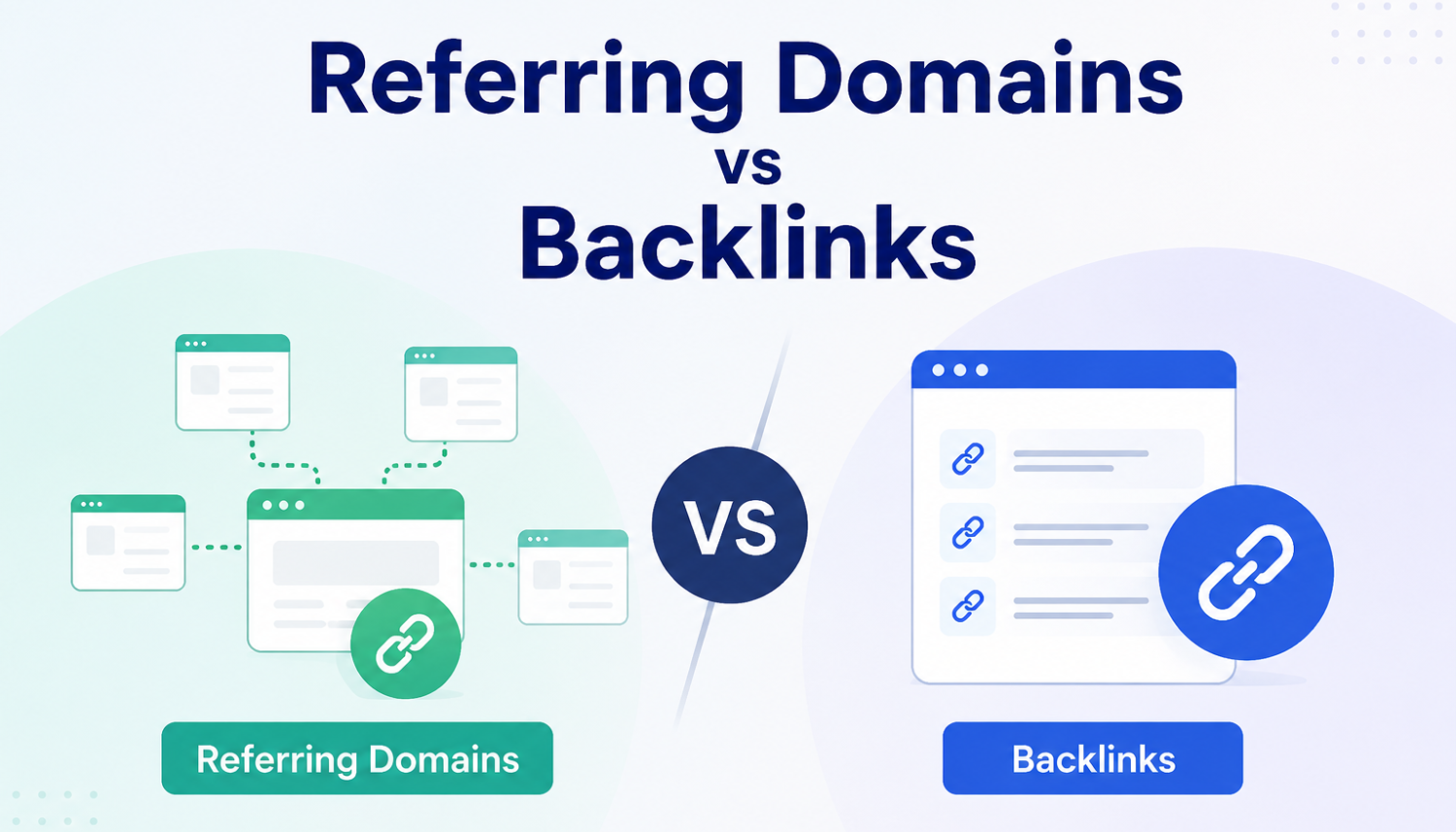
Understanding the intricacies of search engine optimization (SEO) is crucial for any business looking to establish a strong online presence. One key concept that can be easily overlooked is the difference between referring domains and backlinks. While often used interchangeably, these two terms hold distinct meanings that can have a significant impact on a website’s ranking and visibility.
What Are Backlinks?
Backlinks, also known as inbound links, refer to a hyperlink between websites. They can take various forms, such as text links, image links, or even links within infographics. Backlinks are essentially a vote of confidence from one website to another, indicating that the content on the linked website is valuable and worthy of sharing.
When a website links to another website, it creates a backlink. The number of backlinks a website receives can have a significant impact on its search engine ranking. A website with a high number of backlinks is seen as more authoritative and trustworthy, which can lead to higher search engine rankings and increased visibility.
- Backlinks can be embedded in various forms, including text, images, and infographics.
- Backlinks can come from various sources, including other websites, social media platforms, and online directories.
- The number of backlinks a website receives can impact its search engine ranking and visibility.
What Are Referring Domains?
Referring domains, on the other hand, refer to a website that links to another website. In other words, a referring domain is a website that has created a backlink to another website. This can include any type of website, whether it’s a blog, a news outlet, or an online directory.
Referring domains are counted differently from backlinks. While a website can receive thousands of backlinks from a single referring domain, it is only counted as one referring domain. This is why websites with millions of backlinks may only have a few thousand referring domains.
- Referring domains are websites that link to another website, creating a backlink.
- Referring domains are counted differently from backlinks, with each domain only counted once.
- Having a high number of referring domains can have a significant impact on a website’s search engine ranking and visibility.
The Importance of Referring Domains
While backlinks are essential for establishing a website’s authority and trustworthiness, referring domains play a crucial role in determining the quality and relevance of a website’s backlinks. A high number of referring domains from authoritative sources can significantly impact a website’s search engine ranking and visibility.
On the other hand, a low number of referring domains from authoritative sources can lead to a decrease in search engine rankings and visibility. This is why it’s essential to focus on acquiring high-quality backlinks from a variety of referring domains, rather than just relying on a single source.
- A high number of referring domains from authoritative sources can significantly impact a website’s search engine ranking and visibility.
- A low number of referring domains from authoritative sources can lead to a decrease in search engine rankings and visibility.
- Focusing on acquiring high-quality backlinks from a variety of referring domains is essential for establishing a strong online presence.
Conclusion
In conclusion, understanding the difference between referring domains and backlinks is crucial for any business looking to establish a strong online presence. While backlinks are essential for establishing a website’s authority and trustworthiness, referring domains play a crucial role in determining the quality and relevance of a website’s backlinks. By focusing on acquiring high-quality backlinks from a variety of referring domains, businesses can significantly impact their search engine ranking and visibility.
By following the tips and strategies outlined in this article, businesses can improve their understanding of referring domains and backlinks, and establish a solid foundation for their online marketing efforts.
Key Takeaways
- Referring domains and backlinks are two distinct concepts in SEO.
- Referring domains are websites that link to another website, creating a backlink.
- A high number of referring domains from authoritative sources can significantly impact a website’s search engine ranking and visibility.
- Focusing on acquiring high-quality backlinks from a variety of referring domains is essential for establishing a strong online presence.
- Understanding the difference between referring domains and backlinks is crucial for any business looking to establish a strong online presence.
- Businesses should focus on acquiring high-quality backlinks from a variety of referring domains to improve their search engine ranking and visibility.
Frequently Asked Questions (FAQs)
What is the difference between referring domains and backlinks?
Referring domains are websites that link to another website, creating a backlink. Backlinks, on the other hand, are the hyperlinks themselves.
Why are referring domains important for SEO?
Referring domains are important for SEO because they determine the quality and relevance of a website’s backlinks. A high number of referring domains from authoritative sources can significantly impact a website’s search engine ranking and visibility.
How can I improve my referring domains?
To improve your referring domains, focus on acquiring high-quality backlinks from a variety of sources, including other websites, social media platforms, and online directories.
What is the ideal ratio of backlinks to referring domains?
The ideal ratio of backlinks to referring domains varies depending on the industry and niche. However, a general rule of thumb is to aim for a ratio of 10:1 or lower.
Can I buy referring domains?
No, you cannot buy referring domains. Referring domains are earned through high-quality content and natural link building efforts.