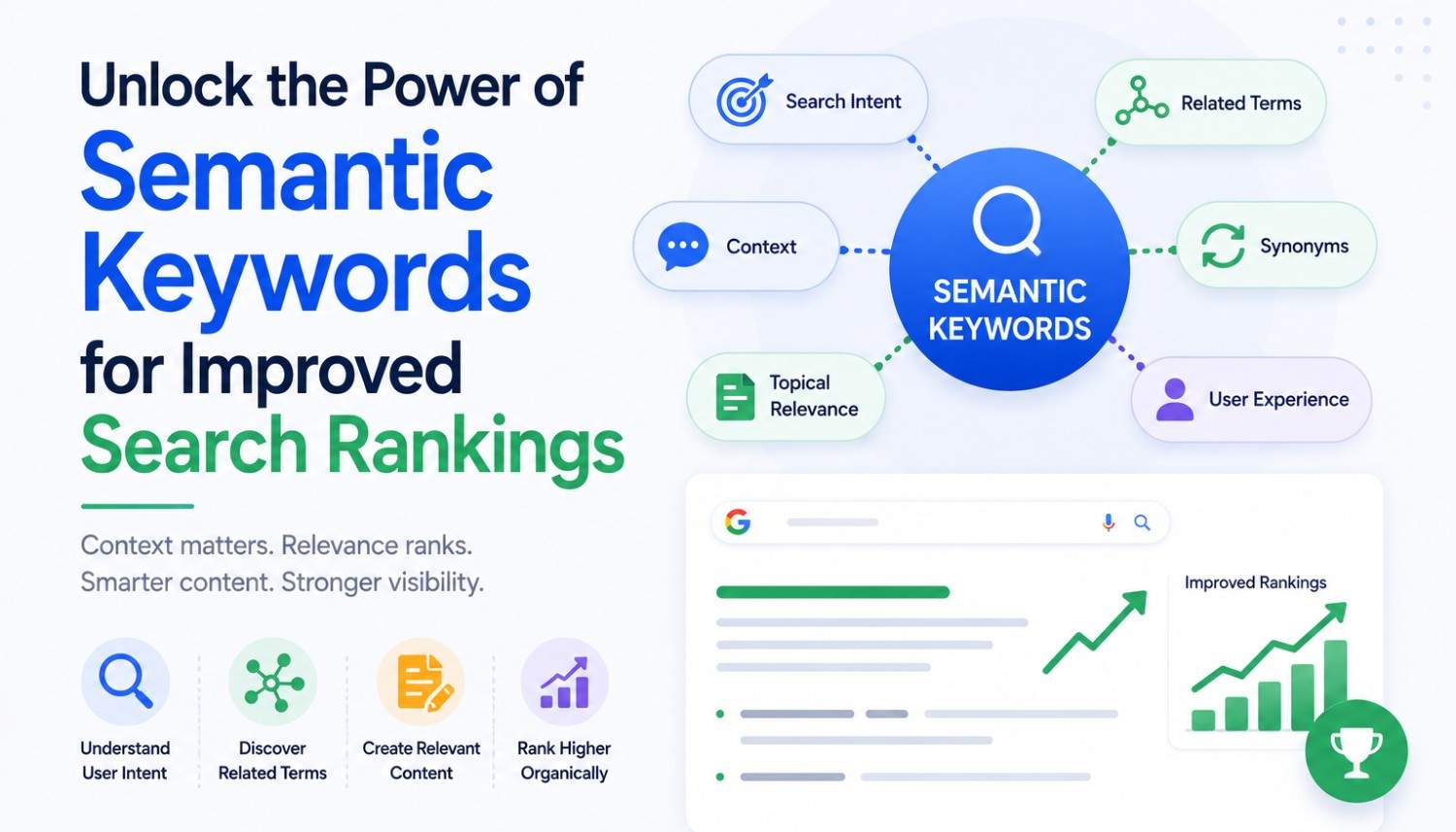
When it comes to creating high-quality content that ranks well in search engines, understanding the concept of semantic keywords is crucial. Unlike target keywords, which are the specific phrases you want to rank for, semantic keywords are words or phrases that are conceptually related to a given keyword or topic. For instance, “Italy” and “dough” are semantically related to “pizza,” as they are all connected to the culinary world. In this article, we will explore the importance of semantic keywords, how to find them using various tools, and how to incorporate them into your content strategy.
By understanding semantic keywords, you can create content that is more relevant and valuable to your target audience. This, in turn, can improve your search engine rankings and drive more traffic to your website. Furthermore, semantic keywords help search engines understand your content’s subject matter, scope, and depth, making it easier for them to match your content with the intended search query. In this article, we will delve into the world of semantic keywords and provide you with practical tips on how to incorporate them into your content strategy.
The Importance of Semantic Keywords
As mentioned earlier, semantic keywords are words or phrases that are conceptually related to a given keyword or topic. They help search engines understand the context and meaning of your content, making it more likely to rank for relevant queries. For example, if you’re creating content about “pizza,” related semantic keywords might include “Italian cuisine,” “dough,” or “cheese.” By incorporating these keywords into your content, you can create a more comprehensive and informative piece that resonates with your target audience.
How to Find Semantic Keywords
There are several tools and techniques you can use to find semantic keywords. Here are a few methods to get you started:
- Using tools like Semrush, , or , you can analyze your competitors’ backlinks and identify related keywords that are driving traffic to their website.
- Explore Google Trends to discover related topics and search terms that are currently trending.
- Use online tools like Keyword Magic Tool or Keyword Explorer to identify related keywords and phrases.
- Analyze your competitors’ content and identify related keywords that they are using.
- Use a spreadsheet to organize and analyze your research, and identify patterns and trends.
- Use a tool like Google’s Keyword Planner to identify related keywords and phrases.
- Use a tool like SEMrush’s Keyword Magic Tool to identify related keywords and phrases.
- Use a tool like ‘ Keyword Explorer to identify related keywords and phrases.
- Use a tool like ‘s Keyword Explorer to identify related keywords and phrases.
- Use a tool like Google Trends to identify related topics and search terms.
- Use a tool like Google Keyword Planner to identify related keywords and phrases.
- Use a tool like SEMrush’s SEO Content Template to identify related keywords and phrases.
- Use a tool like ‘ SEO Audit Tool to identify related keywords and phrases.
- Use a tool like ‘s SEO Audit Tool to identify related keywords and phrases.
- Use a tool like Google Search Console to identify related keywords and phrases.
- Use a tool like SEMrush’s Search Engine Ranking Tool to identify related keywords and phrases.
- Use a tool like ‘ Search Engine Ranking Tool to identify related keywords and phrases.
- Use a tool like ‘s Search Engine Ranking Tool to identify related keywords and phrases.
- Use a tool like Google Trends to identify related topics and search terms.
- Use a tool like Google Keyword Planner to identify related keywords and phrases.
- Use a tool like SEMrush’s SEO Content Template to identify related keywords and phrases.
- Use a tool like ‘ SEO Audit Tool to identify related keywords and phrases.
- Use a tool like ‘s SEO Audit Tool to identify related keywords and phrases.
- Use a tool like Google Search Console to identify related keywords and phrases.
- Use a tool like SEMrush’s Search Engine Ranking Tool to identify related keywords and phrases.
- Use a tool like ‘ Search Engine Ranking Tool to identify related keywords and phrases.
- Use a tool like ‘s Search Engine Ranking Tool to identify related keywords and phrases.
How to Incorporate Semantic Keywords into Your Content
Once you have identified your semantic keywords, it’s time to incorporate them into your content. Here are a few tips to get you started:
- Use your semantic keywords in the title and meta description of your content to help search engines understand the context and meaning of your content.
- Use your semantic keywords throughout your content to create a more comprehensive and informative piece that resonates with your target audience.
- Use synonyms and related phrases to add variety and depth to your content.
- Use long-tail keywords to target specific search queries and drive more traffic to your website.
- Use keyword research tools to identify related keywords and phrases that you can incorporate into your content.
- Use content optimization tools to analyze your content and identify areas for improvement.
- Use a content calendar to plan and schedule your content in advance.
- Use a content template to help you create high-quality content that resonates with your target audience.
- Use a content analysis tool to evaluate your content and identify areas for improvement.
- Use a content optimization tool to analyze your content and identify areas for improvement.
- Use a content calendar to plan and schedule your content in advance.
- Use a content template to help you create high-quality content that resonates with your target audience.
- Use a content analysis tool to evaluate your content and identify areas for improvement.
- Use a content optimization tool to analyze your content and identify areas for improvement.
- Use a content calendar to plan and schedule your content in advance.
- Use a content template to help you create high-quality content that resonates with your target audience.
- Use a content analysis tool to evaluate your content and identify areas for improvement.
- Use a content optimization tool to analyze your content and identify areas for improvement.
Conclusion
Understanding semantic keywords is crucial for creating high-quality content that ranks well in search engines. By identifying and incorporating related keywords and phrases into your content, you can create a more comprehensive and informative piece that resonates with your target audience. Remember to use keyword research tools to identify related keywords and phrases, and content optimization tools to analyze your content and identify areas for improvement. With these tips, you can improve your search engine rankings and drive more traffic to your website.
By following these tips, you can take your content strategy to the next level and drive more traffic to your website. Remember to stay up-to-date with the latest SEO trends and best practices, and always be open to learning and improving your skills.
Key Takeaways
- Identify semantic keywords using keyword research tools and content optimization tools.
- Incorporate semantic keywords into your content to create a more comprehensive and informative piece.
- Use synonyms and related phrases to add variety and depth to your content.
- Use long-tail keywords to target specific search queries and drive more traffic to your website.
- Use keyword research tools to identify related keywords and phrases.
- Use content optimization tools to analyze your content and identify areas for improvement.
- Use a content calendar to plan and schedule your content in advance.
- Use a content template to help you create high-quality content that resonates with your target audience.
- Use a content analysis tool to evaluate your content and identify areas for improvement.
- Use a content optimization tool to analyze your content and identify areas for improvement.
Frequently Asked Questions (FAQs)
What are semantic keywords?
Semantic keywords are words or phrases that are conceptually related to a given keyword or topic.
How do I find semantic keywords?
You can use keyword research tools, content optimization tools, and other resources to find semantic keywords.
How do I incorporate semantic keywords into my content?
You can incorporate semantic keywords into your content by using them in the title and meta description, using synonyms and related phrases, and using long-tail keywords.
What are the benefits of using semantic keywords?
Using semantic keywords can help you create high-quality content that resonates with your target audience, drive more traffic to your website, and improve your search engine rankings.