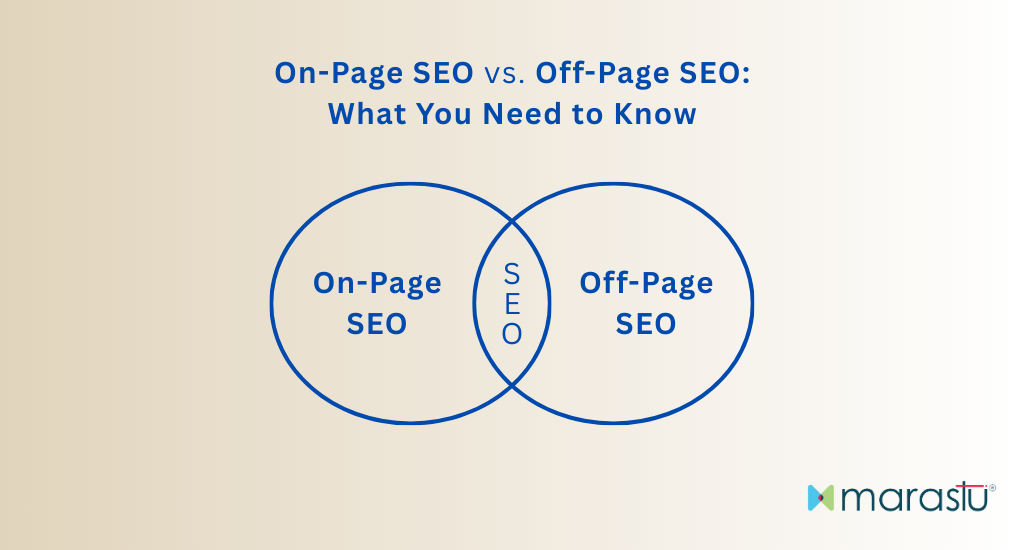
When it comes to SEO (Search Engine Optimization), there are two key strategies you need to focus on: On-Page SEO and Off-Page SEO. Each plays a crucial role in your website’s visibility on search engines like Google. But how do they differ, and how do you make the most of them to boost your rankings? Let’s dive in and explore the difference between on-page and off-page SEO so you can apply these techniques effectively for your site.
What is On-Page SEO?
You may be wondering, what is on-page SEO exactly? Simply put, on-page SEO refers to all the strategies you implement directly on your website to improve its position on search engines. This includes optimizing the content, improving website structure, enhancing user experience, and making sure search engines can easily understand and index your pages.
Some key elements of on-page SEO include:
- Keyword Optimization: Using relevant keywords throughout your content, titles, headers, and URLs.
- Meta Tags: Including optimized title tags and meta descriptions that accurately reflect the content of your page.
- Internal Linking: Linking to other relevant pages within your website to help users navigate and boost your SEO.
- Content Quality: Writing high-quality, engaging, and informative content that answers the user’s intent.
- Mobile-Friendliness: Ensuring that your website is responsive and mobile-friendly.
- Page Speed: Making sure your website loads quickly, as slow-loading pages can harm your rankings.
With on-page SEO, you have full control over how your website is optimized, which means this is an area you can continuously improve.
What is Off-Page SEO?
Now that we’ve covered on-page SEO, let’s turn our attention to off-page SEO. Off-page SEO refers to activities that take place outside your website but still influence your search engine rankings. This primarily involves building your site’s authority and reputation on the web.
The most important aspect of off-page SEO is link building. When other reputable websites link to your pages (these are called backlinks), search engines view this as a sign that your content is valuable and trustworthy. The more high-quality backlinks you earn, the more likely your website will rank higher in search engine results.
Other off-page SEO factors include:
- Social Media Engagement: The more people engage with your content on social media, the more likely it is to attract backlinks and improve SEO.
- Influencer Marketing: Collaborating with influencers in your industry can help generate backlinks and traffic.
- Guest Blogging: Writing guest posts on authoritative sites in your niche can also lead to valuable backlinks.
Unlike on-page SEO, where you have full control, off-page SEO relies on building relationships and gaining trust from external sources.
On-Page SEO Checklist: What to Keep in Mind
To ensure you’re fully optimizing your on-page SEO, here’s an on-page SEO checklist to follow:
- Focus on User Intent: Tailor your content to address what users are searching for.
- Use Structured Data: Implement schema markup to help search engines understand your content better.
- Optimize URL Structure: Make sure your URLs are clean, concise, and contain keywords.
- Enhance Image SEO: Use alt tags and compress images for faster loading times.
- Check for Broken Links: Remove or fix broken links, as they hurt both user experience and SEO.
Following this checklist will make sure your on-page SEO is as effective as possible.
Off-Page SEO Checklist: Key Strategies for Success
When it comes to off-page SEO, here are some key activities to incorporate:
- Build High-Quality Backlinks: Focus on acquiring backlinks from authoritative, relevant websites in your industry.
- Create Shareable Content: Craft content that people will want to share across their networks.
- Engage in Social Media: Promote your content on social media platforms to increase visibility.
- Collaborate with Influencers: Reach out to influencers in your industry for collaborations or shout-outs.
- Monitor Your Brand Mentions: Track mentions of your brand online, and if possible, link back to your site.
The more you invest in off-page SEO, the stronger your site’s authority will become, leading to higher rankings.
On-Page SEO vs. Off-Page SEO: Which is More Important?
You might be wondering: on-page vs off-page SEO, which one is more important? The reality is, both are essential for a successful SEO strategy. While on-page SEO provides the foundation for a solid website, off-page SEO builds the reputation and authority necessary for higher rankings.
Think of it this way: on-page SEO is like the bones of your website, while off-page SEO is the muscle that helps it grow strong and visible.
If you want your website to truly stand out, you need to focus on both. You can’t rely on one without the other. A balance of both strategies will ensure your site is optimized for search engines and users alike.
How to Get Started with Your SEO Strategy
If you’re just starting with SEO, it might feel overwhelming. But don’t worry—begin with a solid SEO strategy that combines both on-page and off-page SEO techniques. Focus on optimizing your website first (on-page SEO) and then work on building your site’s authority (off-page SEO) over time.
Start small, and as you see the benefits of your efforts, you can scale up both strategies. Whether you’re implementing your on-page SEO checklist or building backlinks for off-page SEO, every step you take will help you get closer to ranking on Google.
FAQs about On-Page and Off-Page SEO
What’s the main difference between on-page and off-page SEO?
On-page SEO involves optimizing your website’s content and structure, while off-page SEO focuses on building your website’s authority through backlinks and external signals.
How often should I update my on-page SEO?
Regularly review and update your on-page SEO to ensure your content remains fresh, relevant, and optimized for user intent.
Can I rank without off-page SEO?
While on-page SEO is crucial, off-page SEO, particularly backlinks, significantly impacts your rankings and helps establish credibility.
How do I find high-quality backlinks for off-page SEO?
Look for websites in your niche with high domain authority. Guest blogging, partnerships, and industry collaborations are great ways to build these links.
Is it possible to rank without using social media for off-page SEO?
While social media helps with visibility and engagement, it’s not the only path to building backlinks and improving your SEO. Focus on other tactics like guest blogging and influencer marketing.
How can I check if my on-page SEO is working?
Use SEO tools like Google Analytics or SEMrush to monitor keyword rankings, page traffic, and user engagement metrics.
How long does it take to see results from off-page SEO?
Off-page SEO results can take several months to show, as backlinks and social signals take time to impact your rankings.