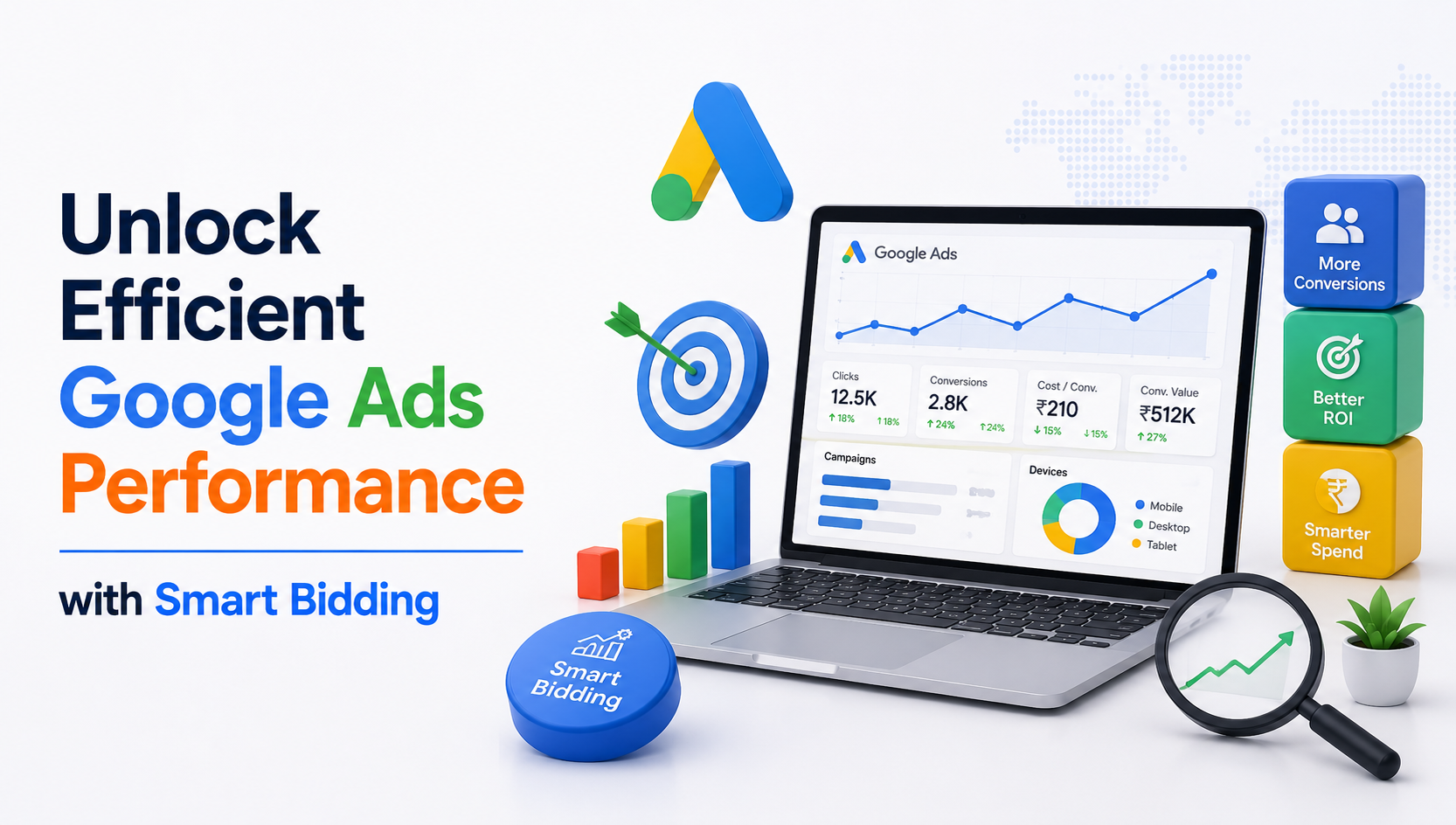
In the world of digital marketing, Google Ads is a crucial tool for businesses to reach their target audience and drive conversions. However, managing Google Ads campaigns can be a daunting task, especially when it comes to bidding strategies. Bidding strategies are the backbone of any successful Google Ads campaign, as they determine how much you’re willing to pay for each click or conversion. With so many factors to consider, it’s easy to get overwhelmed and make mistakes that can cost you money and damage your reputation.
This is where Google Ads Smart Bidding comes in – a game-changing feature that uses artificial intelligence (AI) to automatically adjust your bids in real-time, ensuring that you’re getting the most out of your Google Ads budget. But what is Smart Bidding, and how does it work? In this article, we’ll delve into the world of Smart Bidding, exploring its benefits, limitations, and best practices for implementing it in your Google Ads campaigns.
Understanding Smart Bidding
Smart Bidding is an automated bidding system within Google Ads that leverages machine learning to help you achieve your campaign goals more efficiently. It’s a key component of PPC automation, allowing you to optimize bids without constantly monitoring them yourself. Unlike manual bidding, where you adjust bids based on limited data, Smart Bidding handles the heavy lifting by analyzing large amounts of data points and making real-time bid adjustments.
How Smart Bidding Works
Smart Bidding uses advanced algorithms to analyze historical performance data and real-time signals to optimize your bids for each auction. The key advantage is how it combines various data points to make decisions instantly, allowing you to target high-conversion opportunities without manual adjustments. Here are some of the key signals that Google Ads algorithms consider when making bid decisions:
- The target cost per acquisition (CPA) or cost per conversion, which determines how much you’re willing to pay for each conversion.
- The target return on ad spend (ROAS) or return on investment (ROI), which determines how much you want to earn per dollar spent.
- The ad position, which affects the likelihood of a user clicking on your ad.
- The device, location, and time of day, which can influence user behavior and conversion rates.
- The ad creative and landing page, which can impact user engagement and conversion rates.
Types of Smart Bidding Strategies
Google Ads offers several types of Smart Bidding strategies, each designed to help you achieve specific campaign goals. Here are some of the most popular types of Smart Bidding strategies:
- Target CPA (Cost Per Acquisition) Bidding, which aims to optimize bids to achieve a target CPA.
- Target ROAS (Return on Ad Spend) Bidding, which aims to optimize bids to achieve a target ROAS.
- Target Conversions Bidding, which aims to optimize bids to achieve a target number of conversions.
- Target Impression Share Bidding, which aims to optimize bids to achieve a target impression share.
Benefits of Smart Bidding
Smart Bidding offers several benefits that can help you improve the performance of your Google Ads campaigns. Here are some of the key benefits:
- Improved ROI (Return on Investment): Smart Bidding helps you optimize bids to achieve a target ROI, ensuring that you’re getting the most out of your Google Ads budget.
- Increased conversions: Smart Bidding helps you optimize bids to achieve a target number of conversions, driving more sales and revenue for your business.
- Reduced costs: Smart Bidding helps you optimize bids to minimize waste and reduce costs, ensuring that you’re not overspending on your Google Ads campaigns.
- Increased campaign efficiency: Smart Bidding helps you automate bid adjustments, freeing up time and resources to focus on other aspects of your business.
Best Practices for Implementing Smart Bidding
Implementing Smart Bidding requires careful planning and execution. Here are some best practices to help you get started:
1. Set Clear Campaign Goals
Before implementing Smart Bidding, you need to set clear campaign goals that align with your business objectives. This will help you determine the best Smart Bidding strategy for your campaigns.
2. Choose the Right Smart Bidding Strategy
Google Ads offers several types of Smart Bidding strategies, each designed to help you achieve specific campaign goals. Choose the strategy that aligns best with your business objectives and campaign goals.
3. Monitor and Optimize Campaign Performance
Smart Bidding is not a set-it-and-forget-it solution. You need to regularly monitor and optimize campaign performance to ensure that you’re getting the best possible results.
Conclusion
Smart Bidding is a powerful tool that can help you improve the performance of your Google Ads campaigns. By understanding how Smart Bidding works, choosing the right Smart Bidding strategy, and implementing best practices, you can unlock the full potential of Smart Bidding and drive more conversions, sales, and revenue for your business.
Whether you’re a seasoned digital marketer or just starting out, Smart Bidding is a must-try for anyone looking to take their Google Ads campaigns to the next level.
Key Takeaways
- Smart Bidding is an automated bidding system within Google Ads that uses machine learning to optimize bids in real-time.
- Smart Bidding offers several types of strategies, each designed to help you achieve specific campaign goals.
- Smart Bidding can help you improve ROI, increase conversions, reduce costs, and increase campaign efficiency.
- Implementing Smart Bidding requires careful planning and execution, including setting clear campaign goals, choosing the right Smart Bidding strategy, and monitoring and optimizing campaign performance.
Frequently Asked Questions (FAQs)
What is Smart Bidding?
Smart Bidding is an automated bidding system within Google Ads that uses machine learning to optimize bids in real-time.
What are the benefits of Smart Bidding?
Smart Bidding offers several benefits, including improved ROI, increased conversions, reduced costs, and increased campaign efficiency.
How do I implement Smart Bidding?
To implement Smart Bidding, you need to set clear campaign goals, choose the right Smart Bidding strategy, and monitor and optimize campaign performance.
Can I use Smart Bidding with manual bidding?
Yes, you can use Smart Bidding with manual bidding. However, it’s recommended to use Smart Bidding alone to get the best possible results.
Is Smart Bidding available for all Google Ads campaigns?
Smart Bidding is available for most Google Ads campaigns, but it’s not available for all campaigns. Check the Google Ads documentation to see if Smart Bidding is available for your campaigns.