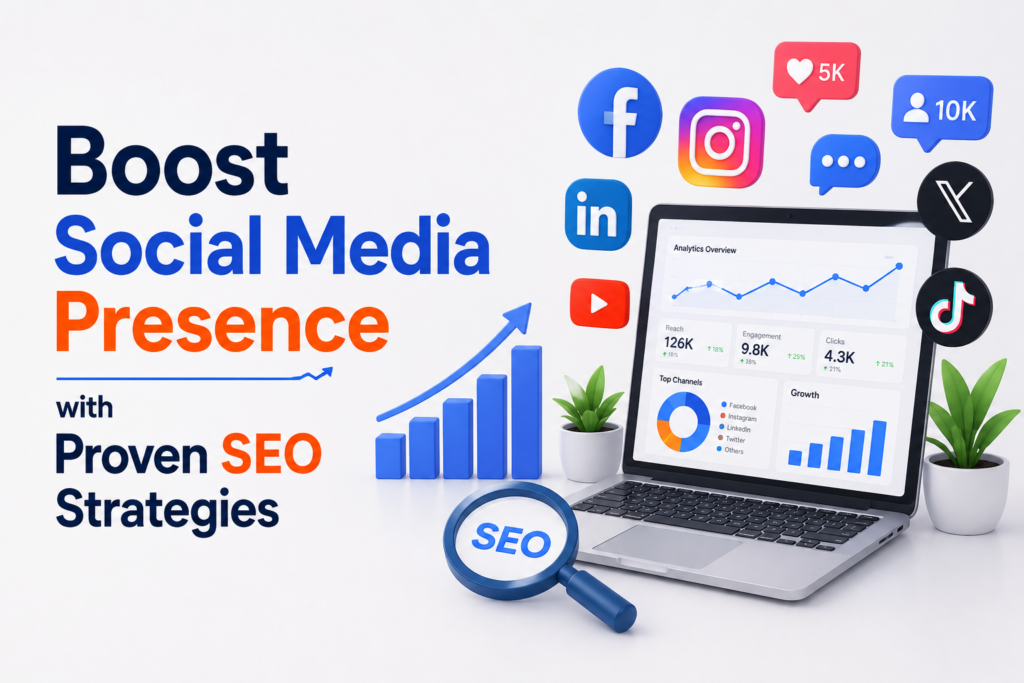
In today’s digital-first world, your online presence is often your first impression. Whether you’re a business owner, marketer, or startup founder, learning how to build a personal brand on social media can open doors to new opportunities, partnerships, and revenue streams.
A strong personal brand isn’t just about posting regularly; it’s about positioning yourself as a trusted authority in your niche. It’s how people perceive your expertise, values, and personality. And with platforms like LinkedIn, Instagram, and X (formerly Twitter), building that brand has never been more accessible.
But here’s the catch: most people approach personal branding without a clear strategy. They post inconsistently, lack a defined voice, and struggle to stand out. This guide will walk you through a structured, actionable approach to building a powerful personal brand that drives visibility, credibility, and growth.
Define Your Personal Brand Identity
Before you start posting, you need clarity. Your personal brand should answer one key question: What do you want to be known for?
Identify Your Niche and Expertise
Start by narrowing your focus. Instead of being “a marketer,” position yourself as:
- A performance marketing expert
- A startup growth strategist
- A content marketing specialist
This specificity helps you attract the right audience.
Define Your Unique Value Proposition
Ask yourself:
- What problems do I solve?
- What makes my perspective different?
- Why should someone follow me?
For example, instead of generic advice, you might share data-backed strategies using tools like SEMrush or Ahrefs, which adds credibility and depth.
Choose the Right Social Media Platforms
Not all platforms are created equal. Your strategy should focus on where your audience spends the most time.
Platform Selection Guide
LinkedIn: Best for B2B, professionals, and thought leadership
Instagram: Great for visual storytelling and lifestyle branding
X (Twitter): Ideal for quick insights and industry conversations
YouTube: Perfect for long-form educational content
Focus Over Presence
It’s better to dominate one or two platforms than to be average on five. For example, many marketers build strong personal brands using just LinkedIn and Instagram.
Create a Content Strategy That Builds Authority
Content is the backbone of your personal brand. Without it, you’re invisible.
Content Pillars to Focus On
Choose 3–5 content pillars such as:
- Educational content (tips, guides)
- Personal experiences (lessons, failures)
- Industry insights (trends, analysis)
- Case studies and results
Content Formats That Work
- Short-form posts
- Carousels
- Videos and reels
- Long-form articles
Example Strategy:
If you’re a digital marketer:
- Share insights from Google Ads campaigns
- Break down SEO strategies using Ahrefs
- Post case studies of successful campaigns
This builds authority and trust over time.
Consistency and Content Distribution
Consistency is what separates successful personal brands from inactive ones.
Posting Frequency
- LinkedIn: 3–5 times per week
- Instagram: 4–6 times per week
- X (Twitter): Daily
Repurpose Your Content
Don’t create from scratch every time. Repurpose content across platforms:
- Turn a blog into multiple posts
- Convert a post into a video
- Break a video into short clips
Use Scheduling Tools
Tools like Buffer, Hootsuite, and even Meta’s native scheduling features can help maintain consistency without burnout.
Engagement and Community Building
Posting content is only half the equation. Engagement is what builds relationships.
How to Increase Engagement
- Respond to comments and messages
- Engage with other creators’ content
- Ask questions in your posts
- Use polls and interactive formats
Build a Community, Not Just an Audience
Think beyond followers. Focus on building a loyal community that:
- Trusts your insights
- Engages with your content
- Shares your posts
For example, commenting thoughtfully on posts from industry leaders can increase your visibility significantly.
Leverage Analytics and Optimize Performance
If you’re not measuring, you’re guessing.
Key Metrics to Track
- Engagement rate
- Follower growth
- Reach and impressions
- Click-through rate
Tools for Analytics
- Native platform insights
- SEMrush (for content performance)
- Google Analytics (for traffic tracking)
Optimization Tips
- Double down on high-performing content
- Experiment with posting times
- Test different formats
Data-driven decisions will help you grow faster and more efficiently.
Monetizing Your Personal Brand
Once your brand gains traction, it can become a powerful revenue channel.
Ways to Monetize
- Consulting and coaching
- Selling digital products (courses, ebooks)
- Affiliate marketing
- Brand partnerships
Example:
A marketer who shares insights on Meta Ads and LinkedIn Ads can attract clients looking for paid advertising services.
Pro Tip:
Focus on building trust first; monetization should feel like a natural extension, not a forced pitch.
Conclusion
Learning how to build a personal brand on social media is one of the most valuable investments you can make in your career or business. It’s not about going viral; it’s about being consistent, authentic, and valuable.
Start with clarity, focus on the right platforms, create meaningful content, and engage with your audience. Over time, your personal brand will evolve into a powerful asset that drives opportunities, credibility, and growth.
Key Takeaways
- A strong personal brand on social media starts with clarity and positioning
- Focus on 1–2 platforms for maximum impact
- Consistent, value-driven content builds authority
- Engagement is key to building a loyal community
- Data and analytics help optimize growth
Frequently Asked Questions (FAQs)
How long does it take to build a personal brand on social media?
It typically takes 3–6 months of consistent effort to see noticeable growth, but strong authority can take a year or more.
Do I need to show my face to build a personal brand?
No, but showing your face can help build trust faster. Many successful creators use voice, text, or visuals instead.
Can personal branding help with job opportunities?
Yes, a strong personal brand can attract recruiters, clients, and collaboration opportunities.
What is the biggest mistake in personal branding?
Inconsistency, both in posting and messaging, is one of the most common reasons people fail to grow.