Optimizing images on your website is a crucial aspect of search engine optimization (SEO) that often gets overlooked. However, with the majority of online users relying on images to guide them through content, neglecting image SEO can lead to missed opportunities for traffic, user engagement, and sales. Google’s algorithm takes into account over 200 factors when determining which website to rank for a specific search query, and image optimization can significantly impact your website’s visibility in search engine results pages (SERPs).
While optimized images alone may not guarantee high rankings for weak content, it can help your website stand out from competitors who fail to optimize their images. The good news is that image optimization is not a complicated process, and a few tweaks to your current image process can make a significant difference in your website’s performance. By using tried and tested image optimization tactics, you can increase your website’s visibility online and attract more traffic and leads.
The Importance of Image SEO
Visual content is a crucial aspect of online marketing, and its popularity is only increasing. Images appear in various places, including sponsored ads, knowledge panels, rich snippets, and Google Images. With Google Lens, a generative AI app that provides context to searches, image SEO has become more essential than ever. This is because Google Lens relies on image SEO to provide accurate and relevant results for users. With over 12 billion searches per month, it’s essential to ensure your images are optimized for maximum visibility.
What is Image SEO?
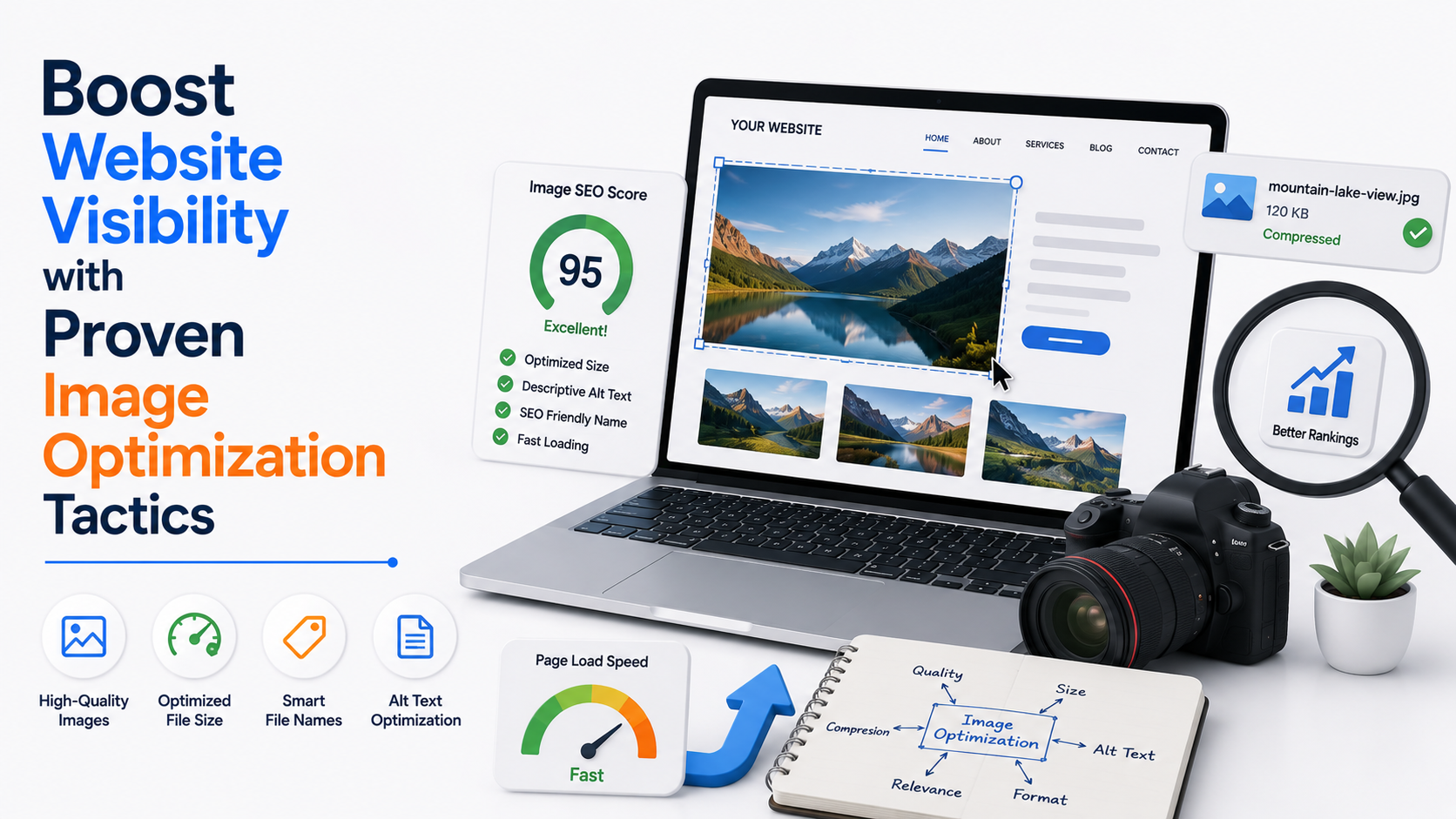
Image SEO refers to the practice of optimizing images on your website to improve its visibility in search engine results pages (SERPs). This involves using various techniques, such as using descriptive and keyword-rich alt text, compressing file sizes, and optimizing image formats. By optimizing images, you can increase the chances of your website appearing in image search results, which can drive more traffic and leads to your website.
- Using descriptive and keyword-rich alt text for images can help search engines understand the content and context of your images.
- Compressing file sizes can reduce the load time of your website and improve user experience.
- Optimizing image formats can ensure that your images are displayed correctly and efficiently on various devices and browsers.
Benefits of Image SEO
While image SEO may seem like an additional step in the optimization process, it offers numerous benefits for your website. Some of the key advantages of image SEO include:
- Increased visibility in search engine results pages (SERPs)
- Improved user experience through faster load times and better image quality
- Increased traffic and leads through image search results
- Enhanced credibility and trustworthiness through high-quality and relevant images
Choosing the Right Image Format
When it comes to image formats, there are several options to choose from, including JPEG, PNG, GIF, and WebP. Each format has its own strengths and weaknesses, and the best choice will depend on your specific needs and goals. For example, JPEG is a popular choice for e-commerce images due to its small file size and high compression ratio.
- JPEG is a good choice for e-commerce images due to its small file size and high compression ratio.
- PNG is a good choice for images that require transparency, such as logos and icons.
- GIF is a good choice for animated images and images that require a low file size.
- WebP is a good choice for images that require a high compression ratio and fast loading times.
Resizing and Compressing Images
Resizing and compressing images is an essential step in image SEO. By resizing images to the correct dimensions, you can ensure that they load quickly and efficiently on various devices and browsers. Compressing images can also reduce the file size, making it easier to upload and share them.
- Use online tools, such as TinyPNG or ImageOptim, to compress images without sacrificing quality.
- Use image editing software, such as Adobe Photoshop or GIMP, to resize and compress images.
- Use a content delivery network (CDN) to deliver images from a global network of servers, reducing load times and improving user experience.
Schema Markup and Image SEO
Schema markup is a type of microdata that provides additional context to search engines about the content and structure of your website. By adding schema markup to your images, you can provide search engines with more information about the images, such as the alt text, descriptions, and captions.
- Add schema markup to your images using schema.org vocabulary and microdata.
- Use Google’s Structured Data Markup Helper to generate schema markup for your images.
- Test your schema markup using Google’s Structured Data Testing Tool.
Conclusion
Image SEO is a crucial aspect of search engine optimization that can significantly impact your website’s visibility in search engine results pages (SERPs). By using tried and tested image optimization tactics, such as choosing the right image format, resizing and compressing images, and adding schema markup, you can improve your website’s credibility, trustworthiness, and user experience. Don’t neglect image SEO – optimize your images today and reap the benefits of increased traffic, leads, and sales!
Remember, image SEO is not a one-time task. It’s an ongoing process that requires regular monitoring and optimization to ensure that your images remain relevant and visible in search engine results pages (SERPs). By following the tips and best practices outlined in this article, you can improve your website’s image SEO and achieve your online marketing goals.
Key Takeaways
- Image SEO is a crucial aspect of search engine optimization that can significantly impact your website’s visibility in search engine results pages (SERPs).
- Choosing the right image format, resizing and compressing images, and adding schema markup can improve your website’s credibility, trustworthiness, and user experience.
- Image SEO is an ongoing process that requires regular monitoring and optimization to ensure that your images remain relevant and visible in search engine results pages (SERPs).
- By following the tips and best practices outlined in this article, you can improve your website’s image SEO and achieve your online marketing goals.
Frequently Asked Questions (FAQs)
What is image SEO?
Image SEO refers to the practice of optimizing images on your website to improve its visibility in search engine results pages (SERPs).
What are the benefits of image SEO?
The benefits of image SEO include increased visibility in search engine results pages (SERPs), improved user experience through faster load times and better image quality, increased traffic and leads through image search results, and enhanced credibility and trustworthiness through high-quality and relevant images.
What are some common image formats?
Common image formats include JPEG, PNG, GIF, and WebP.
How do I optimize my images for search engines?
To optimize your images for search engines, use descriptive and keyword-rich alt text, compress file sizes, and optimize image formats.
What is schema markup and how does it relate to image SEO?
Schema markup is a type of microdata that provides additional context to search engines about the content and structure of your website. By adding schema markup to your images, you can provide search engines with more information about the images, such as the alt text, descriptions, and captions.