The world of search engine optimization (SEO) is constantly evolving, with new acronyms and strategies emerging to help businesses stay ahead of the competition. Two of the most popular acronyms in the SEO world are AEO and GEO. While they may sound interchangeable, they serve different purposes and require distinct approaches. In this article, we’ll dive into the world of AEO and GEO, exploring their differences, when to use each, and how to build a strategy that works in 2026.
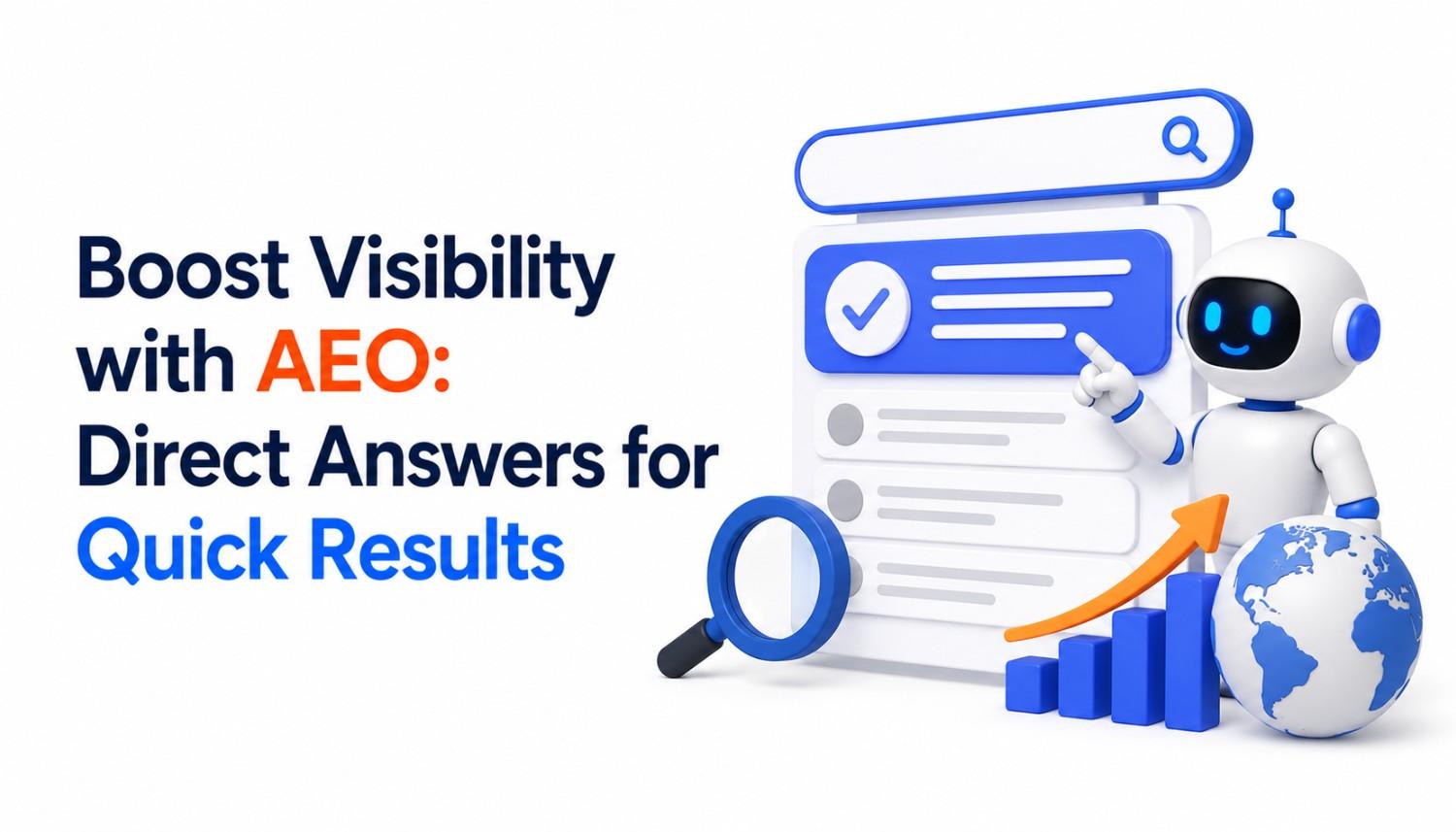
Let’s start with AEO, which stands for Answer Engine Optimization. AEO is a content strategy designed to help your site appear as a direct answer in search results. You’ve seen it – Google snippets, People Also Ask boxes, voice assistant responses. That’s AEO. Search engines have shifted from listing links to answering questions directly, and AEO helps your content align with that shift by making it easy for search engines to understand and serve.
AEO focuses on creating content that’s clean, relevant, and easy to parse. This means using clear and concise language, providing direct answers to user queries, and structuring your content in a way that’s easily understood by search engines. By doing so, you increase the chances of your content showing up as a direct answer in search results, which can lead to more clicks, conversions, and ultimately, revenue.
AEO: A Content Strategy for Quick Visibility
AEO is ideal for businesses that want to target high-intent queries, such as “how much does X cost” or “what is the best Y for Z.” By creating content that directly answers these questions, you can attract users who are further along in the buying cycle and more likely to convert. AEO also helps you meet users in the moment they need answers, giving your site a shot at showing up before competitors even get a click.
When to Use AEO
- Use AEO when you want quick visibility for specific, question-based queries. This works well for businesses that target high-intent queries, such as “how much does X cost” or “what is the best Y for Z.”
- AEO is also ideal for businesses that need to establish themselves as authority in a particular niche or industry.
- Finally, use AEO when you want to increase the chances of your content showing up in featured snippets, such as Google snippets or People Also Ask boxes.
How to Structure Your Content for AEO
To structure your content for AEO, focus on creating clear and concise language, providing direct answers to user queries, and using header tags to break up your content. You should also use keywords that are relevant to your business and target audience, but avoid over-optimizing your content with too many keywords.
- Use header tags (H1, H2, H3, etc.) to break up your content and highlight key points.
- Provide direct answers to user queries, using clear and concise language.
- Use keywords that are relevant to your business and target audience, but avoid over-optimizing your content with too many keywords.
- Use bullet points and short paragraphs to make your content easy to scan and understand.
- Finally, make sure your content is well-structured and easy to navigate, with clear calls-to-action and next steps.
GEO: A Content Strategy for Long-Term Visibility
GEO stands for Generative Engine Optimization, and it’s a content strategy designed to help your site become a trusted source that AI systems cite, summarize, or build from. Unlike AEO, which focuses on quick visibility, GEO is designed to build long-term visibility and authority in your niche or industry.
GEO is ideal for businesses that want to establish themselves as authority in their niche or industry, and need to create content that’s comprehensive, trustworthy, and reliable. By creating content that’s rich in information and expertise, you can attract users who are further along in the buying cycle and more likely to convert. GEO also helps you build trust with your audience, which is essential for long-term success.
When to Use GEO
- Use GEO when you want to establish yourself as authority in your niche or industry.
- GEO is also ideal for businesses that want to create content that’s comprehensive, trustworthy, and reliable.
- Finally, use GEO when you want to build trust with your audience and attract users who are further along in the buying cycle.
How to Structure Your Content for GEO
To structure your content for GEO, focus on creating comprehensive, trustworthy, and reliable content that’s rich in information and expertise. Use header tags to break up your content and highlight key points, and make sure your content is well-structured and easy to navigate. You should also use keywords that are relevant to your business and target audience, but avoid over-optimizing your content with too many keywords.
- Use header tags (H1, H2, H3, etc.) to break up your content and highlight key points.
- Provide in-depth information and expertise on your topic, using clear and concise language.
- Use keywords that are relevant to your business and target audience, but avoid over-optimizing your content with too many keywords.
- Use bullet points and short paragraphs to make your content easy to scan and understand.
- Finally, make sure your content is well-structured and easy to navigate, with clear calls-to-action and next steps.
Conclusion
In conclusion, AEO and GEO are two distinct content strategies that serve different purposes in modern SEO. AEO is ideal for businesses that want to target high-intent queries and establish themselves as authority in their niche or industry, while GEO is designed to build long-term visibility and authority in your niche or industry. By understanding the differences between AEO and GEO, you can create content that’s tailored to your business needs and goals.
Remember, the key to success in SEO is to create content that’s high-quality, relevant, and useful to your target audience. By focusing on AEO and GEO, you can increase the chances of your content showing up in search results and building trust with your audience.
Key Takeaways
- AEO is a content strategy designed to help your site appear as a direct answer in search results.
- GEO is a content strategy designed to help your site become a trusted source that AI systems cite, summarize, or build from.
- AEO is ideal for businesses that want to target high-intent queries and establish themselves as authority in their niche or industry.
- GEO is designed to build long-term visibility and authority in your niche or industry.
- AEO and GEO are complementary strategies that can be used together to achieve better results.
Frequently Asked Questions (FAQs)
What is AEO and how does it differ from GEO?
AEO (Answer Engine Optimization) is a content strategy designed to help your site appear as a direct answer in search results. GEO (Generative Engine Optimization) is a content strategy designed to help your site become a trusted source that AI systems cite, summarize, or build from. AEO is ideal for businesses that want to target high-intent queries and establish themselves as authority in their niche or industry, while GEO is designed to build long-term visibility and authority in your niche or industry.
How do I structure my content for AEO and GEO?
To structure your content for AEO and GEO, focus on creating clear and concise language, providing direct answers to user queries, and using header tags to break up your content. For AEO, use keywords that are relevant to your business and target audience, but avoid over-optimizing your content with too many keywords. For GEO, use keywords that are relevant to your business and target audience, but focus on creating comprehensive, trustworthy, and reliable content that’s rich in information and expertise.
Can I use AEO and GEO together?
Yes, you can use AEO and GEO together to achieve better results. AEO is ideal for businesses that want to target high-intent queries and establish themselves as authority in their niche or industry, while GEO is designed to build long-term visibility and authority in your niche or industry.
How do I measure the success of my AEO and GEO efforts?
To measure the success of your AEO and GEO efforts, track your website traffic, engagement metrics, and conversion rates. You can also use tools like Google Analytics to measure the success of your AEO and GEO efforts and make data-driven decisions to improve your content strategy.
What are some common mistakes to avoid when implementing AEO and GEO?
Some common mistakes to avoid when implementing AEO and GEO include over-optimizing your content with too many keywords, failing to structure your content in a way that’s easily understood by search engines, and neglecting to create content that’s comprehensive, trustworthy, and reliable.