As a business owner, you’re likely aware of the importance of expanding your reach to new audiences and growing your website traffic. One effective way to achieve this is by tapping into new markets, and one tool that can make this process much easier is hreflang tags. These HTML attributes can help you target different languages and geographical regions, making your content more relevant and user-friendly for your global customers.
However, reaching new international markets can be complex, especially when it comes to avoiding duplicate content penalties and ensuring that your content is translated correctly. This is where hreflang tags come in – they can help you match the correct piece of content to what the user wants to see, without compromising your website’s user experience or domain authority.
Imagine being able to offer your website in multiple languages and currencies, automatically adjusting to the user’s preferences and location. This is the power of hreflang tags, and in this article, we’ll explore how you can use them to tap into new audiences and grow your business.
The Basics of Hreflang Tags
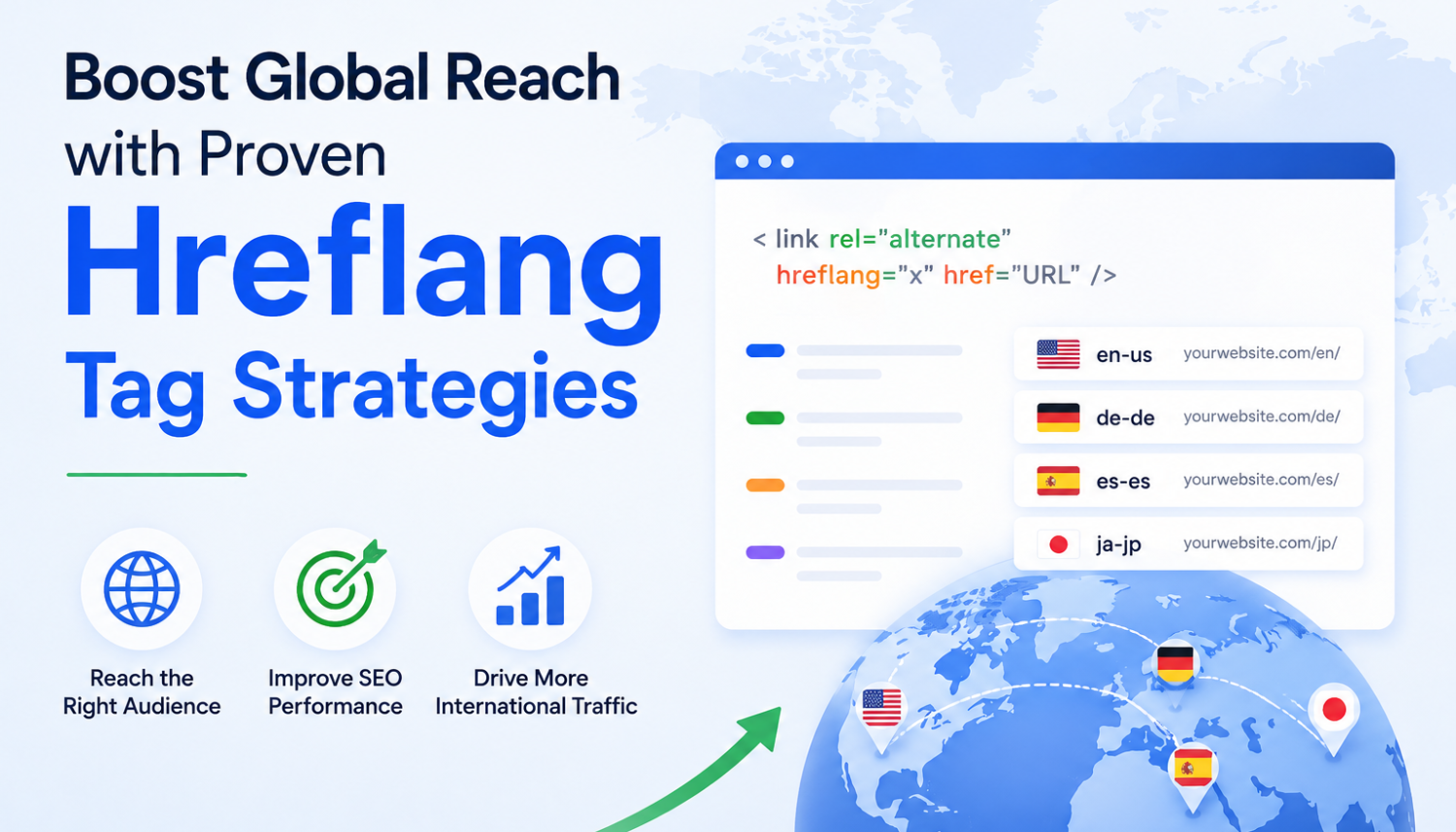
So, what exactly are hreflang tags? In simple terms, they’re HTML attributes that tell search engines about the language and region of your content. By using these tags, you can indicate which pages on your website are intended for which languages and regions, helping search engines to show the most relevant content to users.
How Hreflang Tags Work
When you add hreflang tags to your website, you’re essentially telling search engines which pages to show to which users. This can be based on a variety of factors, including the user’s language, location, and search intent. By using these tags, you can ensure that users see the most relevant content, even if it’s not the same as the content on your main website.
- Hreflang tags are used to indicate the language and region of your content, helping search engines to show the most relevant content to users.
- These tags can be used to translate your website into different languages, or to offer different versions of your content in different regions.
- Hreflang tags can help you avoid duplicate content penalties by indicating which pages are intended for which languages and regions.
The Benefits of Using Hreflang Tags
So, why should you use hreflang tags on your website? The benefits are numerous, including:
- Improved user experience: By offering content in the user’s language and region, you can create a more personalized experience that meets their needs and preferences.
- Increased relevance: Hreflang tags can help you show the most relevant content to users, even if it’s not the same as the content on your main website.
- Better search engine rankings: By using hreflang tags, you can improve your website’s relevance and authority, leading to better search engine rankings.
When to Use Hreflang Tags
So, when should you use hreflang tags on your website? The answer is simple: whenever you want to offer your content in multiple languages or regions. This can be particularly useful for businesses that operate globally, or for websites that cater to diverse audiences.
Examples of When to Use Hreflang Tags
Here are a few examples of when you might use hreflang tags:
- When you want to offer your website in multiple languages, such as English, Spanish, and French.
- When you want to offer different versions of your content in different regions, such as a US version and a UK version.
- When you want to avoid duplicate content penalties by indicating which pages are intended for which languages and regions.
Conclusion
Hreflang tags are a powerful tool for businesses that want to expand their reach and improve their user experience. By using these tags, you can offer your content in multiple languages and regions, creating a more personalized experience for your users. Whether you’re a global business or a website that caters to diverse audiences, hreflang tags can help you tap into new audiences and grow your business.
Remember, the key to using hreflang tags effectively is to understand how they work and when to use them. By following the tips and best practices outlined in this article, you can ensure that your website is optimized for maximum relevance and authority.
Key Takeaways
- Hreflang tags are used to indicate the language and region of your content, helping search engines to show the most relevant content to users.
- These tags can be used to translate your website into different languages, or to offer different versions of your content in different regions.
- Hreflang tags can help you avoid duplicate content penalties by indicating which pages are intended for which languages and regions.
- The benefits of using hreflang tags include improved user experience, increased relevance, and better search engine rankings.
Frequently Asked Questions (FAQs)
What are hreflang tags, and how do they work?
Hreflang tags are HTML attributes that tell search engines about the language and region of your content. They work by indicating which pages on your website are intended for which languages and regions, helping search engines to show the most relevant content to users.
When should I use hreflang tags on my website?
You should use hreflang tags whenever you want to offer your content in multiple languages or regions, such as when you want to translate your website into different languages or offer different versions of your content in different regions.
How do I implement hreflang tags on my website?
To implement hreflang tags on your website, you’ll need to add the tags to each page of your website that you want to translate or offer in a different region. You can do this by adding the hreflang attribute to the HTML code of each page, or by using a plugin or tool to help you implement the tags.
What are the benefits of using hreflang tags on my website?
The benefits of using hreflang tags on your website include improved user experience, increased relevance, and better search engine rankings. By using hreflang tags, you can offer your content in multiple languages and regions, creating a more personalized experience for your users.