Meta descriptions have long been a crucial aspect of on-page SEO best practices, but their importance has been debated among SEO experts. While they may not be a direct ranking factor for Google, many believe they can improve click-through rates (CTRs) and traffic indirectly. In this article, we’ll delve into the world of meta descriptions, explore their limitations, and provide actionable tips on how to write effective meta descriptions that search engines and users will love.
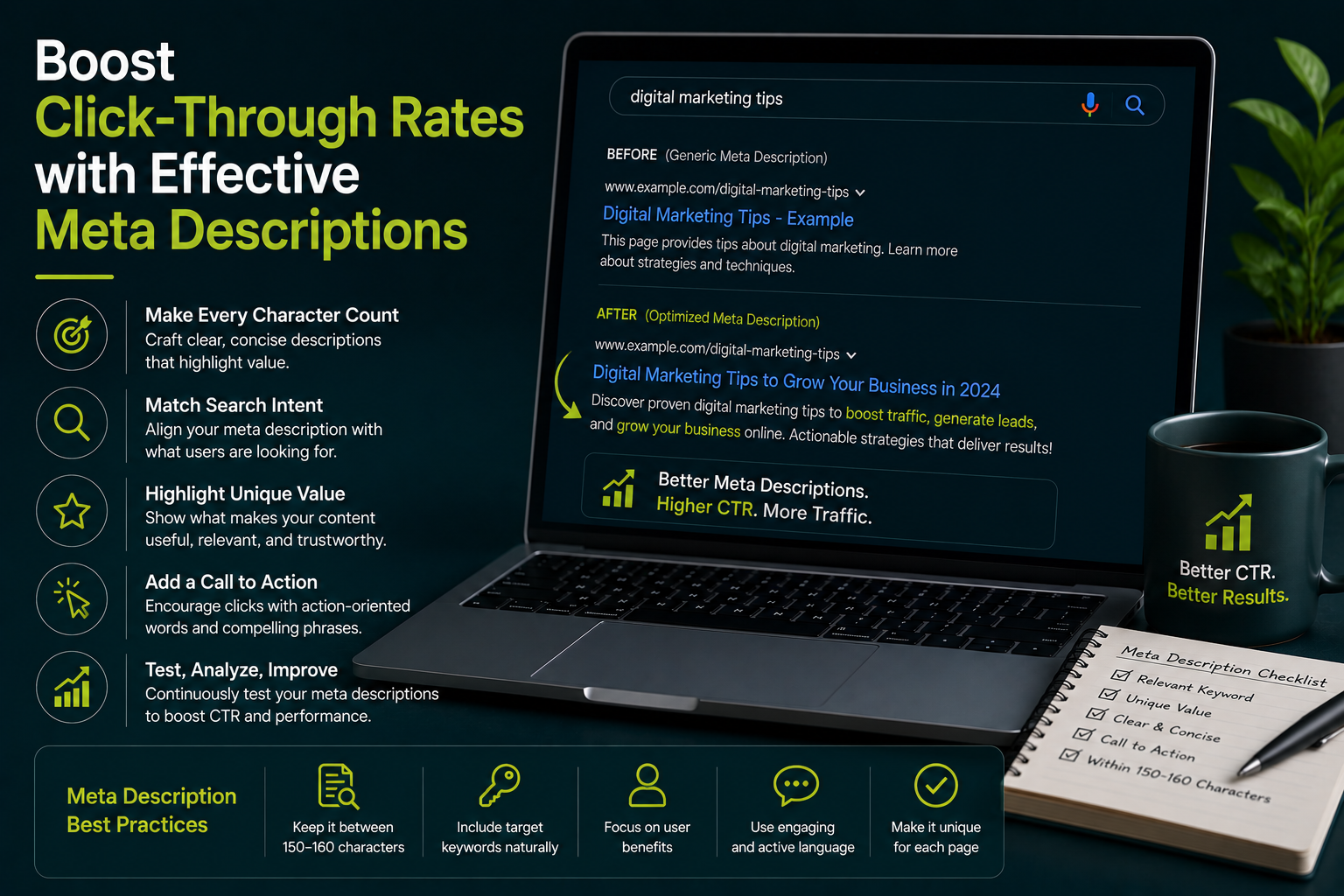
So, what exactly is a meta description? In simple terms, it’s a short HTML tag that summarizes the content of a webpage. It’s a crucial element that appears in the search engine results page (SERP) snippet, below the page URL and title. Its primary job is to entice users to click on the page by showcasing what it offers. This is why meta descriptions are often referred to as the “elevator pitch” of a webpage.
The Misconception About Meta Descriptions
Despite their importance, meta descriptions have been deemed not very important for SEO. This might come as a surprise, but it’s essential to understand that meta descriptions are not a direct ranking factor for Google. While they may have an indirect impact on rankings, there is no concrete evidence to support this claim. Recent large-scale studies have shown that optimizing meta descriptions barely affects traffic, and in some cases, removing them can even improve CTRs.
Why Meta Descriptions Are Replaced by Google
One reason meta descriptions are often overlooked is that Google replaces about 70% of them with content directly from the page. This is especially true for articles and long-form content. For instance, if you search for a specific topic, the meta description tag might read one thing, but the result snippet will display a different summary. This can make it challenging to understand the relevance of meta descriptions in SEO.
- Google’s algorithm is designed to provide the most relevant and accurate information to users. If the meta description doesn’t accurately reflect the content, Google will replace it with something more relevant.
- Additionally, Google’s snippet length can vary depending on the device and screen size. This means that even if you write a well-crafted meta description, it might get truncated or shortened in the SERP snippet.
- Lastly, social media platforms like Facebook still display the original meta description when users share the page. This means that by skipping meta descriptions, you’re reducing their visibility and shareability.
The Importance of Meta Descriptions
Although meta descriptions may not be a direct ranking factor, they still play a crucial role in the overall user experience. By writing effective meta descriptions, you can increase the chances of users clicking on your page and engaging with your content. This is especially true for transactional or navigational intent keywords, where users are looking for specific information or products.
11 Actionable Tips for Writing Effective Meta Descriptions
So, how can you write effective meta descriptions that search engines and users will love? Here are 11 actionable tips to get you started:
1. Keep It Short and Sweet
Avoid writing long, rambling meta descriptions that exceed 156 characters. This can lead to truncation or shortening in the SERP snippet. Instead, focus on the most essential information and concisely communicate the value proposition of your page.
2. Use the Most Important Information First
When writing meta descriptions, make sure to put the most critical information first. This will ensure that users see the most relevant and compelling information in the first 110 characters of the snippet.
- Use tools like NeuronWriter to simulate the snippet and preview your meta description as you craft it.
- Make sure to leave some buffer space for Google’s snippet truncation or shortening.
3. Analyze Snippets for Your Keyword
Study the snippets for your target keyword and analyze what types of descriptions Google prefers. This can give you valuable insights into the tone, style, and structure of effective meta descriptions.
- Look for patterns and common themes in the snippets for your keyword.
- Identify the most critical information that Google highlights in the snippets.
4. Reflect the Search Intent
Your meta description must reflect the search intent of your target keyword. This means understanding what need it satisfies or problem it solves. For instance, if your keyword has informational intent, your meta description should provide a clear summary of the content.
5. Use the Right Tone and Language
The tone and language of your meta description should match the tone and language of your content. Avoid using jargon or overly technical terms that might confuse users.
- Use a conversational tone that resonates with your target audience.
- Avoid using overly promotional language that might come across as spammy.
6. Use Action Verbs and Emotive Language
Action verbs and emotive language can make your meta description more compelling and engaging. Use words like “Discover,” “Explore,” or “Learn” to create a sense of excitement and curiosity.
7. Highlight Unique Selling Points (USPs)
Your meta description should highlight the unique selling points (USPs) of your content. What sets it apart from other similar content? What unique insights or perspectives does it offer?
- Use specific numbers and statistics to highlight the value proposition of your content.
- Emphasize the benefits and advantages of your content over other similar content.
8. Use Social Proof and Testimonials
Social proof and testimonials can add credibility and trustworthiness to your meta description. Use phrases like “As seen in” or “Recommended by” to highlight the reputation and authority of your content.
9. Use Emojis and Visuals
Emojis and visuals can make your meta description more engaging and attention-grabbing. Use relevant and context-specific emojis to add a touch of personality and whimsy.
- Use emojis that resonate with your target audience and align with your brand voice.
- Avoid using too many emojis that might come across as spammy or overwhelming.
10. Use Relevant Keywords and Phrases
Your meta description should include relevant keywords and phrases that accurately describe the content. Use tools like Google Keyword Planner or SEMrush to identify the most relevant and high-traffic keywords for your content.
11. Test and Optimize Meta Descriptions
Finally, test and optimize your meta descriptions to ensure they’re performing well. Use A/B testing tools like Google Optimize or VWO to compare different meta descriptions and identify the most effective ones.
Conclusion
Meta descriptions may not be a direct ranking factor, but they play a crucial role in the overall user experience. By following these 11 actionable tips, you can write effective meta descriptions that search engines and users will love. Remember to keep it short, sweet, and relevant, and don’t be afraid to test and optimize your meta descriptions to ensure they’re performing well.
By mastering the art of meta descriptions, you can improve your website’s visibility, drive more traffic, and increase your online presence. So, take the first step today and start crafting meta descriptions that will make your content shine!
Key Takeaways
- Meta descriptions are not a direct ranking factor for Google.
- Despite their limitations, meta descriptions can improve CTRs and traffic indirectly.
- Write meta descriptions that are short, sweet, and relevant to the content.
- Use action verbs and emotive language to make your meta description more compelling.
- Highlight unique selling points (USPs) and social proof to add credibility and trustworthiness.
- Use emojis and visuals to add a touch of personality and whimsy.
- Test and optimize meta descriptions to ensure they’re performing well.
Frequently Asked Questions (FAQs)
What is a meta description?
A meta description is a short HTML tag that summarizes the content of a webpage. It appears in the search engine results page (SERP) snippet, below the page URL and title.
Why are meta descriptions important?
Meta descriptions are important because they provide a clear summary of the content, highlighting its value proposition and relevance to the target audience. They can improve CTRs and traffic indirectly, even if they’re not a direct ranking factor.
How long should a meta description be?
A meta description should be short and sweet, ideally under 156 characters. This ensures that it gets truncated or shortened in the SERP snippet, making it more readable and concise.
What should I include in a meta description?
A meta description should include relevant keywords and phrases, as well as a clear summary of the content. It should also highlight unique selling points (USPs) and social proof to add credibility and trustworthiness.