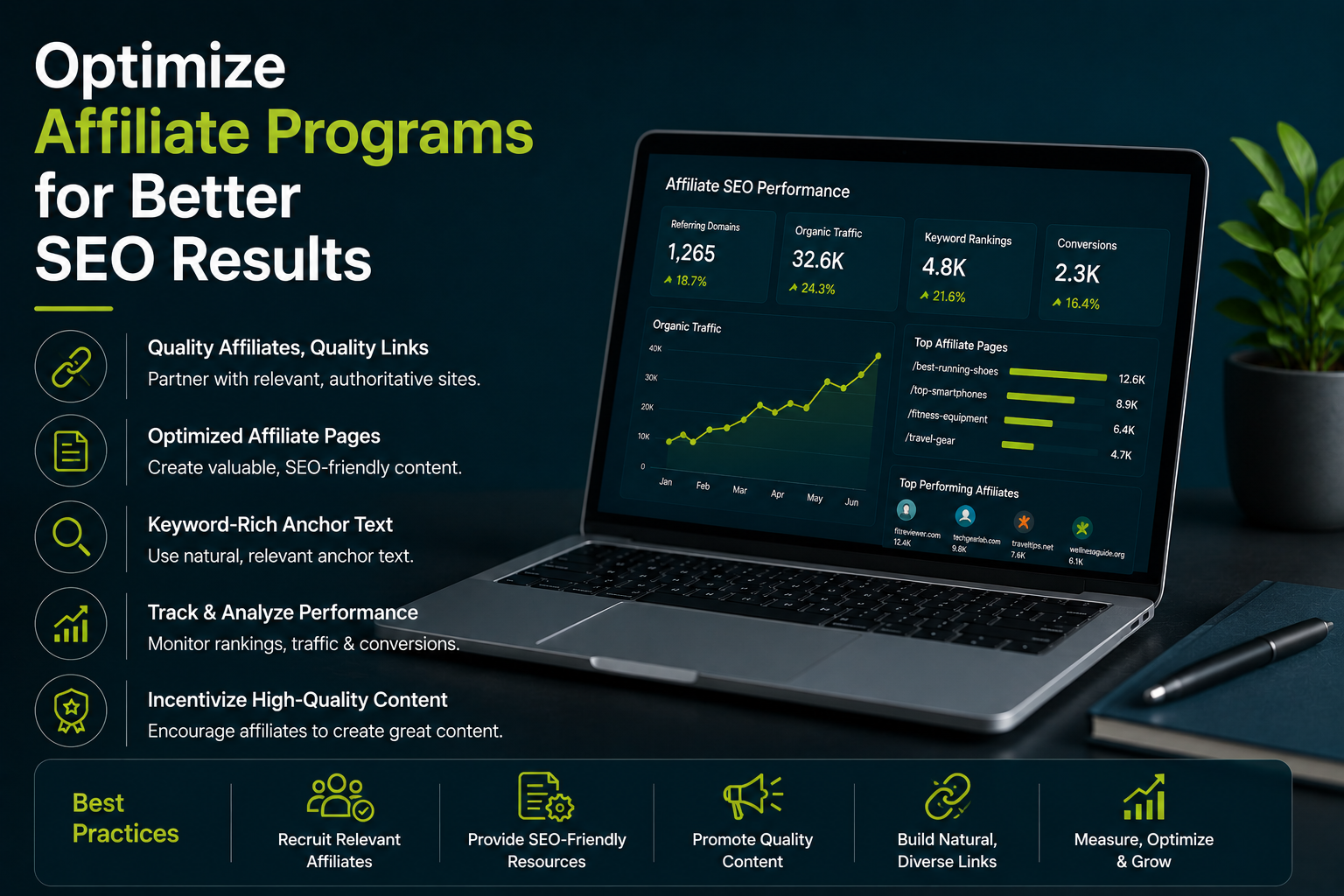
Affiliate marketing is a crucial component of many businesses’ revenue streams, particularly in industries with high conversion rates, such as gaming. However, optimizing affiliate programs for search engine optimization (SEO) can be a delicate task, as it requires striking a balance between promoting products and adhering to search engines’ guidelines. In this article, we will delve into the techniques used to optimize affiliate programs for SEO, as well as the potential risks and benefits associated with these methods.
Search engines, particularly Google, have traditionally been cautious about passing link equity to affiliate links. While there is no explicit mention of affiliate links in the Google Webmaster Guidelines, Eric Enge’s interview with Matt Cutts provides insight into how Google handles affiliate links. According to Cutts, Google tends to view affiliate links as advertisements rather than editorially given links, as they are often linked to for financial gain.
This understanding is essential for affiliate marketers, as it highlights the need to be cautious when optimizing affiliate links for SEO. Rather than relying solely on affiliate links, businesses can use alternative strategies to promote their products and services while maintaining a strong SEO presence.
Optimizing Affiliate Programs for SEO
One effective technique for optimizing affiliate programs is to create dedicated landing pages for top-performing affiliates. These landing pages can be designed to mimic the structure and content of the affiliate’s original link, while also providing a seamless user experience. By doing so, businesses can encourage affiliates to promote their products while maintaining a strong SEO presence.
Creating Dedicated Landing Pages
When creating dedicated landing pages, businesses should focus on providing a user-friendly experience. This can be achieved by ensuring that the landing page is easily accessible, has a clear and concise message, and provides a seamless user experience. Additionally, businesses can use the rel=canonical tag to inform search engines that the landing page is a duplicate of the original affiliate link, thereby preventing duplicate content issues.
- By creating dedicated landing pages, businesses can improve their affiliate program’s SEO while maintaining a strong user experience.
- The rel=canonical tag can be used to inform search engines that the landing page is a duplicate of the original affiliate link, thereby preventing duplicate content issues.
- Dedicated landing pages can be used to promote specific products or services, allowing businesses to target specific audiences and improve their conversion rates.
Addressing Duplicate Content Issues
Duplicate content issues can arise when multiple affiliates promote the same product or service, leading to duplicate content across different websites. To address this issue, businesses can use the rel=canonical tag to inform search engines that the landing page is a duplicate of the original affiliate link. This can help prevent duplicate content issues and improve the overall SEO of the affiliate program.
- The rel=canonical tag can be used to inform search engines that the landing page is a duplicate of the original affiliate link, thereby preventing duplicate content issues.
- Duplicate content issues can arise when multiple affiliates promote the same product or service, leading to duplicate content across different websites.
- By using the rel=canonical tag, businesses can improve their affiliate program’s SEO while maintaining a strong user experience.
Resolving Canonicalization Issues
Canonicalization issues can arise when multiple affiliates promote the same product or service, leading to duplicate content across different websites. To resolve this issue, businesses can use the rel=canonical tag to inform search engines that the landing page is a duplicate of the original affiliate link. This can help prevent canonicalization issues and improve the overall SEO of the affiliate program.
Implementing Canonicalization Tags
Implementing canonicalization tags can be a complex process, requiring a thorough understanding of SEO and website development. Businesses should work with experienced developers to implement canonicalization tags, ensuring that they are properly implemented and configured to prevent canonicalization issues.
- Canonicalization tags should be implemented by experienced developers to ensure proper configuration and implementation.
- Canonicalization tags can help prevent canonicalization issues and improve the overall SEO of the affiliate program.
- Businesses should work with experienced developers to implement canonicalization tags, ensuring that they are properly configured to prevent canonicalization issues.
Conclusion
Optimizing affiliate programs for SEO can be a delicate task, requiring a balance between promoting products and adhering to search engines’ guidelines. By creating dedicated landing pages, addressing duplicate content issues, and implementing canonicalization tags, businesses can improve their affiliate program’s SEO while maintaining a strong user experience. However, it is essential to work with experienced developers to ensure proper implementation and configuration of these strategies.
By following the techniques outlined in this article, businesses can improve their affiliate program’s SEO, increase conversion rates, and drive more revenue from their affiliate marketing efforts.
Key Takeaways
- Creating dedicated landing pages can improve the SEO of affiliate programs while maintaining a strong user experience.
- The rel=canonical tag can be used to inform search engines that the landing page is a duplicate of the original affiliate link, thereby preventing duplicate content issues.
- Canonicalization tags should be implemented by experienced developers to ensure proper configuration and implementation.
- Businesses should work with experienced developers to implement canonicalization tags, ensuring that they are properly configured to prevent canonicalization issues.
- Optimizing affiliate programs for SEO requires a balance between promoting products and adhering to search engines’ guidelines.
Frequently Asked Questions (FAQs)
Q: What is canonicalization?
Canonicalization is the process of informing search engines that a webpage is a duplicate of another webpage, thereby preventing duplicate content issues.
Q: How do I implement canonicalization tags?
Canonicalization tags should be implemented by experienced developers to ensure proper configuration and implementation.
Q: What is the purpose of dedicated landing pages?
Dedicated landing pages are used to promote specific products or services, allowing businesses to target specific audiences and improve their conversion rates.
Q: Can canonicalization tags be used for affiliate marketing?
Yes, canonicalization tags can be used for affiliate marketing to prevent duplicate content issues and improve the overall SEO of the affiliate program.