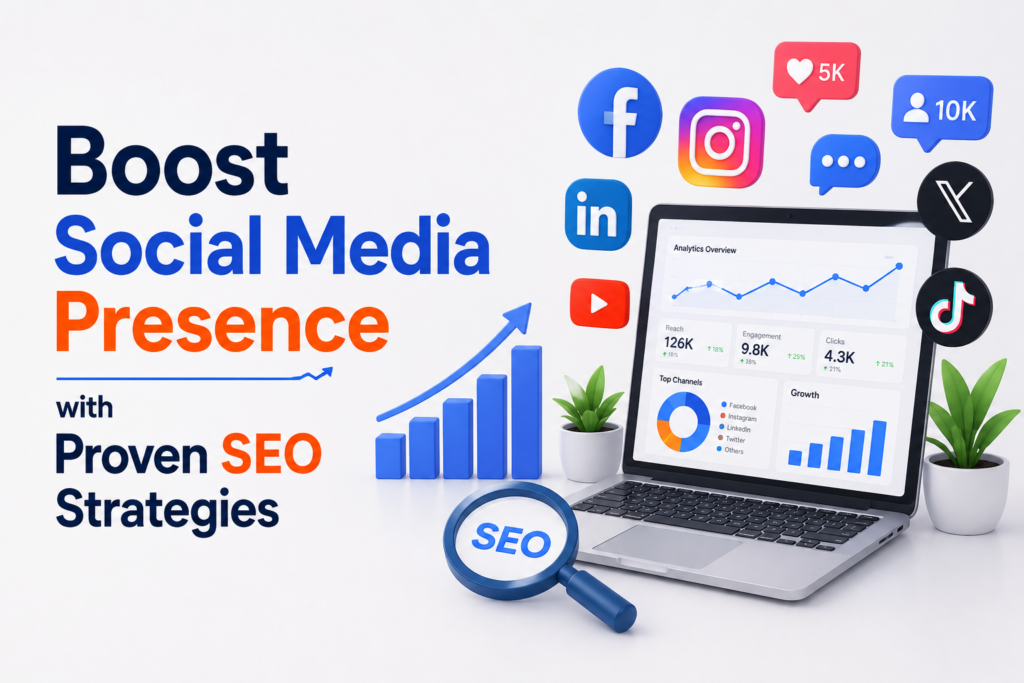
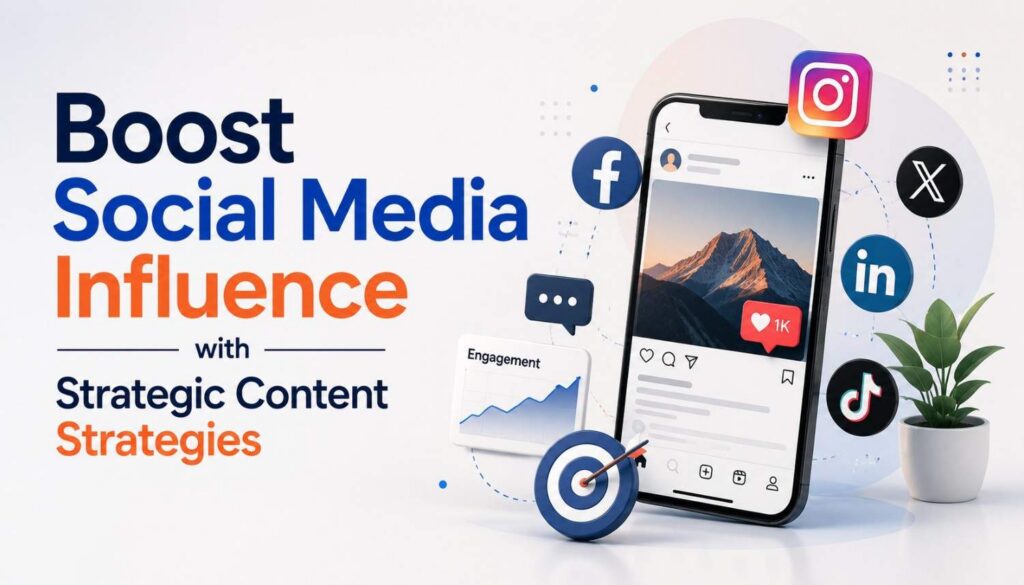
In today’s digital landscape, businesses often treat SEO and social media marketing as separate strategies. But in reality, they are deeply interconnected. While social media may not directly influence search engine rankings in the traditional sense, its impact on SEO and brand visibility is undeniable.
Think about it, when your content gets shared, liked, and discussed across platforms, it reaches a wider audience. That increased exposure leads to more website traffic, backlinks, and brand recognition, all of which contribute to better search performance.
With platforms like Meta Ads, LinkedIn Ads, and analytics tools such as SEMrush and Ahrefs, businesses now have more opportunities than ever to integrate social media into their SEO strategy. This article breaks down exactly how social media helps improve SEO and brand visibility, and how you can use it effectively.
Understanding the Relationship Between Social Media and SEO
Social media does not directly impact Google rankings through likes or shares. However, it plays a powerful indirect role in improving your social media SEO performance.
How Social Media Supports SEO
- Drives traffic to your website
- Increases content visibility
- Builds brand authority
- Encourages backlink opportunities
Search engines prioritize content that is relevant, trusted, and widely referenced. Social media helps amplify your content so it reaches people who can link to it, share it, or engage with it.
Simple Example:
A blog post shared on LinkedIn gains traction, gets noticed by industry experts, and earns backlinks from authoritative websites. Those backlinks improve your search rankings; this is where social media fuels SEO.
Boosting Content Distribution and Reach
One of the biggest advantages of social media is its ability to distribute content quickly and effectively.
Why Distribution Matters
Even the best content won’t rank if no one sees it. Social media ensures your content reaches the right audience faster.
Effective Distribution Strategy
- Share every blog post across multiple platforms
- Repurpose content into different formats (videos, carousels, infographics)
- Use hashtags strategically to expand reach
Practical Example:
A single SEO blog can be transformed into:
- A LinkedIn article
- Instagram carousel
- Short-form video (Reels/Shorts)
This multiplies visibility and increases the chances of earning backlinks and engagement.
Driving Website Traffic and Engagement
Traffic is a strong signal of content relevance. Social media acts as a major driver of qualified traffic to your website.
How Social Media Drives Traffic
- Clickable links in posts and bios
- Stories and swipe-up features
- Paid campaigns via Meta Ads and LinkedIn Ads
Best Practices
- Use compelling headlines and CTAs
- Optimize landing pages for conversions
- Track performance using tools like Google Analytics
Example Strategy:
Run a targeted campaign on Meta Ads promoting a high-value blog post. Combine this with organic sharing to maximize reach and engagement.
More traffic often leads to:
- Longer session durations
- Lower bounce rates
- Higher chances of conversions
All of these contribute positively to SEO performance.
Building Brand Authority and Trust
Search engines favor brands that are recognized and trusted. Social media plays a crucial role in building that trust.
How Social Media Builds Authority
- Consistent posting establishes expertise
- Engagement shows credibility
- User-generated content boosts authenticity
Key Trust Signals
- Reviews and testimonials
- Comments and interactions
- Influencer mentions
When users frequently see your brand across platforms, they are more likely to search for it directly. This increases branded search volume, a strong SEO signal.
Generating High-Quality Backlinks
Backlinks remain one of the most important ranking factors in SEO. Social media can significantly increase your chances of earning them.
How Social Media Leads to Backlinks
- Content gets discovered by bloggers and journalists
- Influencers share your resources
- Viral posts attract attention
Tools to Track Backlinks
Ahrefs: Backlink analysis
SEMrush: Link building insights
Actionable Strategy
- Create high-value, shareable content
- Promote it aggressively on social media
- Engage with industry influencers
- Monitor mentions and link opportunities
The more visibility your content gets, the higher the probability of earning backlinks naturally.
Enhancing Local SEO Through Social Media
For local businesses, social media can significantly boost local SEO performance.
Key Benefits
- Increased local brand awareness
- More customer reviews
- Better Google Business Profile engagement
Local SEO Tips
- Add location tags in posts
- Encourage customer reviews
- Share local events and updates
Example:
A restaurant posting regularly on Instagram with location tags and customer reviews is more likely to appear in local search results.
Social signals combined with local engagement help search engines understand your relevance in a specific area.
Leveraging Social Media Analytics for SEO Insights
Social media platforms provide valuable data that can improve your SEO strategy.
What You Can Learn
- Which content performs best
- Audience interests and behavior
- Trending topics in your industry
Tools to Use
- SEMrush Social Toolkit
- Native platform analytics (Facebook, LinkedIn, Instagram)
Practical Application
If a specific topic performs well on social media, you can:
- Expand it into a detailed blog post
- Target related keywords
- Build a content cluster around it
This data-driven approach ensures your SEO strategy aligns with audience demand.
Conclusion
Social media is no longer just a branding tool; it’s a powerful driver of SEO and brand visibility. While it may not directly influence rankings, its indirect impact through traffic, backlinks, and engagement is significant.
Businesses that integrate social media with their SEO strategy can:
- Reach a wider audience
- Build stronger authority
- Generate more organic traffic
The key is consistency, quality content, and a data-driven approach. When used correctly, social media becomes a catalyst that amplifies your entire digital marketing strategy.
Key Takeaways
- Social media supports SEO indirectly through traffic and backlinks
- Content distribution increases visibility and engagement
- Social platforms help build brand authority and trust
- Backlinks often originate from social media exposure
- Analytics insights can refine your SEO strategy
Frequently Asked Questions (FAQs)
Does social media directly affect Google rankings?
No, but it indirectly influences rankings through traffic, backlinks, and brand signals.
Which social media platform is best for SEO?
There’s no single best platform; it depends on your audience and industry.
How often should I share content on social media for SEO benefits?
Consistency matters. Posting 3–5 times per week is generally effective.
Can social media replace SEO?
No, both strategies work best when integrated for maximum results.